
Rosemary
Rosemary
Salvia rosmarinus
- Other Botanical Names
- Rosmarinus officinalis
- Plant Family
- Lamiaceae
- Plant Classification
- Aromatic evergreen shrub
- Ingredient Category
- Herbs
- Native Region
- Mediterranean region
- Parts Used
- Flowering TopsLeaves
- Common Forms
- Fresh • Dried • Essential oil
Understanding Rosemary
Overview & History
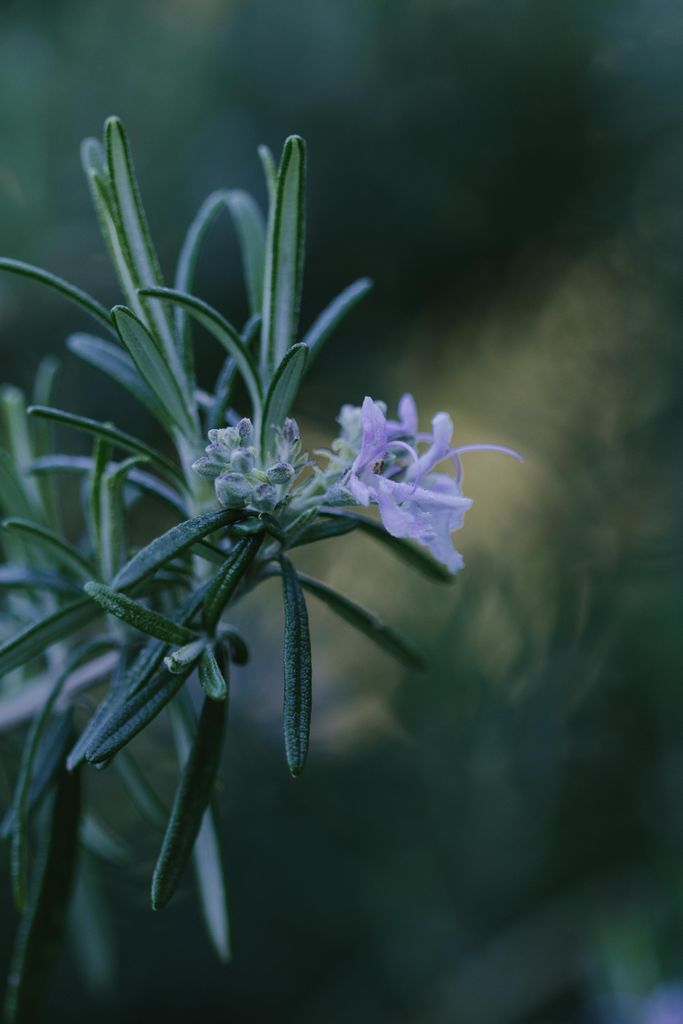
Brush a rosemary sprig between your fingers and its bright, resinous scent is easy to recognise. This evergreen member of the mint family comes from the Mediterranean region, where it grows in sunny, dry scrubland. Its narrow leaves and flowering shoots have found a place in gardens, kitchens, household preparations, and local traditions.
Rosemary’s story also includes memory and protection. Its link with remembrance appears in Shakespeare’s <em>Hamlet</em>, while fieldwork in southern Italy records protective household customs. These examples come from particular places and periods. They help explain the plant’s lasting appeal without suggesting that every community has used it in the same way.
Educational reference species or hybrid: Salvia rosmarinus. This name defines the educational scope of the profile; it does not scientifically identify the owner’s purchased material. Product-package identity, actual plant part and material grade remain unconfirmed.
Spiritual Associations
Rosemary’s association with remembrance appears in Shakespeare’s Hamlet. A contemporary remembrance practice can use a drawing or a separately identified sprig beside a photograph or written memory. The literary association does not prove a cleansing effect or require burning, bathing in or ingesting the collection material.
Traditional Spiritual Uses
Cultural context and contemporary reflection
Read the rosemary-and-remembrance passage in Hamlet and write a memory beside a botanical image. This is a contemporary literary adaptation, not a requirement to burn rosemary, bathe in it or make an oil.
Traditional knowledge
Traditional Medicinal Uses
Rosemary has also belonged to the household herbal cupboard. Leaves have been prepared as teas for mild digestive discomfort, while botanical baths have been used for minor muscle and joint aches. These uses sit alongside its everyday role as a seasoning, but a medicinal preparation is different from a pinch of herb in food.
These are recognised traditional uses, supported mainly by longstanding experience rather than strong clinical-trial evidence. They do not show that every rosemary product works in the same way, or that the plant prevents or cures disease. Concentrated essential oil is a separate preparation with its own precautions.
Intentional everyday living
Everyday Living
Hair & Scalp Care
Rosemary appears in hair-care products, scalp oils, and herbal hair preparations. A small 2015 trial compared topical rosemary oil with 2% minoxidil in 100 people with pattern hair loss over six months. That limited study does not establish that rosemary will regrow hair for everyone or work across different causes of hair loss.
An oil-based product is also different from a homemade rosemary-water rinse. Results from one cannot simply be transferred to the other. Use scalp products as directed and stop if irritation develops. New or unexplained hair loss deserves an assessment rather than an assumed herbal solution.
Skin & Body Care
Rosemary-derived ingredients are used in soaps, fragrances, and other cosmetic preparations. Their aromatic character can be part of the experience of a body-care product. A pleasant scent or a history of cosmetic use is different from evidence that a product treats acne, eczema, or another skin condition.
Choose products formulated for their intended use. Essential oils can irritate or sensitise skin, so a botanical label does not remove the need for careful formulation and sensible use.
Around the Home
Rosemary sprigs can be part of a small botanical arrangement, and dried leaves can be placed in a sachet for their fragrance. These are straightforward ways to bring the plant into an intentional living space without producing smoke.
Think of these as decorative and aromatic uses. They are not substitutes for household cleaning or ventilation, and they should not be described as proven ways to disinfect a room.
Culinary Uses
Fresh or dried rosemary brings a strong, resinous flavour to roasted vegetables, breads, and savoury dishes. The leaves used as a seasoning are different from concentrated essential oil, which should not be treated as an interchangeable kitchen ingredient.
Other Applications
Compare narrow rosemary leaves and flowering shoots with other mint-family profiles. A correctly labeled botanical illustration can support remembrance or study while the owner’s material identity and grade remain unverified.
Working with Rosemary
Common Preparations
Rosemary leaves and flowering shoots occur in culinary food, infusions and formulated extracts. An infused carrier oil is different from concentrated essential oil; bath and smoke-producing preparations have their own exposure risks. Preparation-type labels describe categories, not permission to use craft-grade material or a medicinal dose.
 Bath Preparations
 Culinary Use
 Infused Oils
 Smudges
 Teas
 Tinctures
Safety & Precautions
Culinary use and herbal preparations
A small amount used to season food is different from a medicinal tea, extract, or supplement. Rosemary-leaf medicine guidance excludes use under age 12, during pregnancy or breastfeeding, with rosemary allergy, or with bile-duct obstruction, gallbladder inflammation, gallstones, or liver disease. Do not apply leaf bath preparations to broken or irritated skin. Ask a qualified clinician or pharmacist about medicinal use.
Topical applications and essential oils
Use products made for skin or scalp as directed, and stop if irritation occurs. Do not apply undiluted essential oil, use it on damaged skin, or put it near the eyes or mucous membranes. Do not swallow aromatherapy essential oil. Keep concentrated oils out of children’s and pets’ reach.
Rosemary-oil medicinal guidance has separate restrictions, including use under age 18, pregnancy or breastfeeding, rosemary allergy, and heart or kidney disease. These product-specific restrictions should not be confused with ordinary food use.
Smoke-producing preparations
Burning herbs produces airborne particles and carries a fire risk. Avoid breathing the smoke, provide ventilation, and choose a smoke-free practice if smoke or fragrance affects your breathing. Never leave burning materials unattended. A smoke-cleansing intention does not make smoke harmless or purify indoor air.
Further Learning
- Kew Plants of the World Online: Salvia rosmarinus
- Clinical or traditional-use context: Rosemary
- Folger Shakespeare Library: Hamlet, rosemary and remembrance
- EMA: rosemary oil has a separate assessment
- Earlier reference supporting the retained Rosemary material
- Earlier reference supporting the retained Rosemary material
- Earlier reference supporting the retained Rosemary material
- Earlier reference supporting the retained Rosemary material