
Cinnamon
Cinnamon
Cinnamomum verum
- Other Botanical Names
- Ceylon cinnamon; Cinnamomum zeylanicum.
- Plant Family
- Lauraceae
- Plant Classification
- Evergreen tree
- Ingredient Category
- Barks
- Native Region
- Sri Lanka.
- Parts Used
- Bark
- Common Forms
- Dried inner bark, quills, ground spice, and separately manufactured extracts or oil.
Understanding Cinnamon
Overview & History
Ceylon cinnamon comes from the inner bark of an evergreen tree native to Sri Lanka. This reference profile concerns Cinnamomum verum, rather than treating every spice sold as cinnamon as the same species. Bark quills and ground cinnamon are familiar pantry forms.
Educational reference species or hybrid: Cinnamomum verum. This name defines the educational scope of the profile; it does not scientifically identify the owner’s purchased material. Product-package identity, actual plant part and material grade remain unconfirmed.
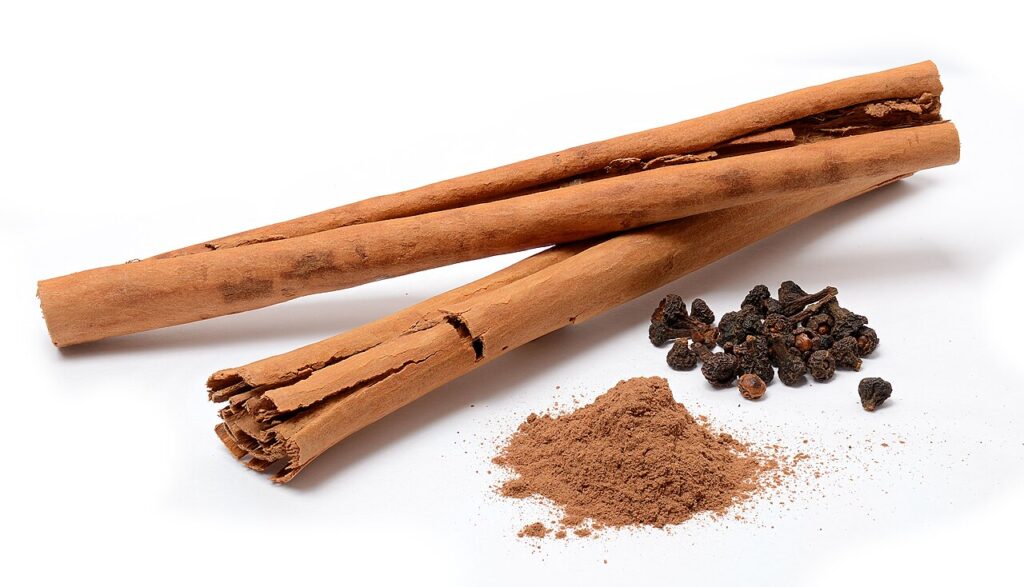
Reference photograph of Cinnamon — Simon A. Eugster, CC BY-SA 3.0. Resized for display. This reference image does not confirm the identity of the owner’s packet.

Spiritual Associations
Warmth
Cinnamon’s familiar fragrance can symbolize welcome and warmth in a contemporary personal practice.
Abundance
A bark quill beside a written intention may represent appreciation for existing resources and thoughtful plans for growth. This is a modern intention-based interpretation, rather than a promise of financial results.
Traditional Spiritual Uses
Contemporary reflection — not an attributed historical ceremony
Write a gratitude list beside a cinnamon-quill image. The association with warmth and resources is personal; it is not a promise of wealth or a ritual requiring powder to be blown into a room.
Traditional knowledge
Traditional Medicinal Uses
Cinnamon bark has a history in herbal medicine, including European traditional preparations. Modern research does not clearly support cinnamon as a treatment for a health condition. It should not replace prescribed diabetes care or be promoted as a blood-sugar remedy.
Intentional everyday living
Everyday Living
Culinary Uses
Cinnamon adds warmth to baked dishes, stewed fruit, and savory spice blends. Check the label when a recipe or educational profile specifies Ceylon cinnamon.
Other Applications
Compare labeled Ceylon-cinnamon and cassia references and keep the supplier’s identity with the sample. The exercise is more reliable than deciding an unidentified powder’s source from its smell alone.
Working with Cinnamon
Common Preparations
Cinnamon is sold as bark quills, chips and powder, while oils and concentrated extracts are separate products. Record whether the supplier names Ceylon cinnamon or a cassia source. A food seasoning amount is not a medicinal or supplement dose.
 Culinary Use
Safety & Precautions
Cassia cinnamon generally contains more coumarin than Ceylon cinnamon; high or prolonged intake can be a concern, particularly with liver disease. Species and product identity matter. Large amounts can cause adverse effects, and concentrated products are different from food seasoning. Avoid inhaling cinnamon powder and do not apply concentrated oil to skin. Discuss supplements with a clinician, especially during pregnancy or when taking medicines.