
Bay Leaf
Bay Leaf
Laurus nobilis
- Other Botanical Names
- Mediterranean bay laurel; sweet bay.
- Plant Family
- Lauraceae
- Plant Classification
- Evergreen tree
- Ingredient Category
- Herbs
- Native Region
- Mediterranean region.
- Parts Used
- Leaves
- Common Forms
- Fresh or dried culinary leaves and ornamental branches.
Understanding Bay Leaf
Overview & History
Mediterranean bay laurel is an evergreen tree or large shrub with fragrant, leathery leaves. Its leaves are familiar in cooking, and laurel branches also have a documented place in classical symbolism. The name laurel alone is not enough to identify a safe culinary plant.
Educational reference species or hybrid: Laurus nobilis. This name defines the educational scope of the profile; it does not scientifically identify the owner’s purchased material. Product-package identity, actual plant part and material grade remain unconfirmed.
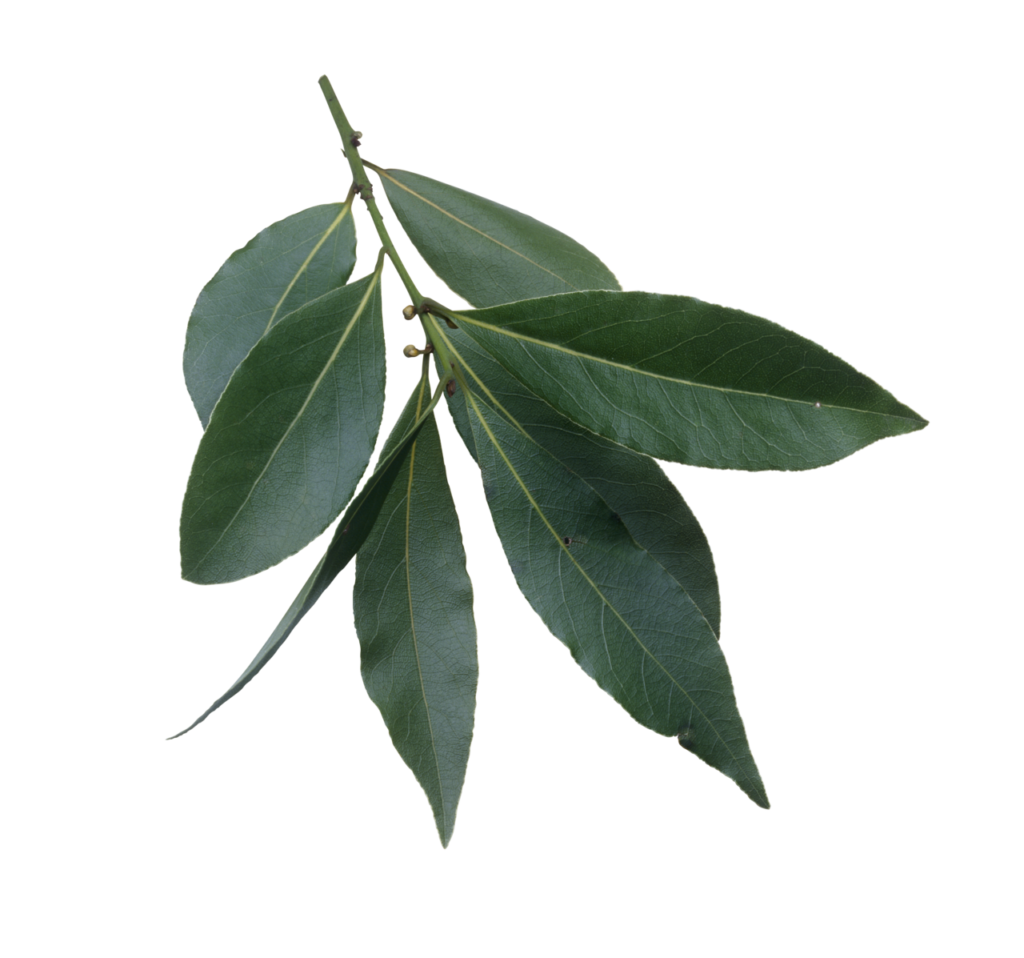
Reference photograph of Bay Leaf — Χρήστης:Andrikkos / The original uploader was Andrikkos at Greek Wikipedia., Public domain. Resized for display. This reference image does not confirm the identity of the owner’s packet.

Spiritual Associations
Achievement
In Greek and Roman myth and imagery, laurel is associated with Apollo and wreaths honoring achievement in poetry, music, and athletics.
Purpose
A contemporary reflection practice can draw on that documented symbolism by using a leaf as a reminder of a goal or a completed effort.
Traditional Spiritual Uses
Cultural context and contemporary reflection
Mark a completed piece of work beside a laurel drawing. The personal exercise adapts documented achievement symbolism; it does not require burning a leaf or promise success.
Traditional knowledge
Traditional Medicinal Uses
This educational profile does not assign a medicinal indication or home treatment to bay leaf. Culinary familiarity and the symbolic history of laurel are not a basis for recommending concentrated preparations or medicinal doses.
Intentional everyday living
Everyday Living
Culinary Uses
Use labelled culinary bay leaves according to a recipe. Their role is to add fragrance during cooking; do not substitute leaves from an unidentified ornamental laurel.
Other Applications
Compare a Laurus nobilis reference with labeled ornamental laurels. Keeping full names beside the photographs helps prevent a shared common word from becoming a dangerous food substitution.
Working with Bay Leaf
Common Preparations
Traceable culinary bay leaves are used whole or ground in cooking. A branch from an ornamental plant called laurel is not an acceptable substitute. Keep food seasoning distinct from concentrated extracts or ritual preparations made from unverified leaves.
 Culinary Use
Safety & Precautions
Confirm Laurus nobilis before using leaves as food. Cherry laurel and other plants called laurel can be poisonous and are not substitutes. Keep ornamental or unidentified branches out of food preparations. Concentrated extracts require separate assessment; this draft does not recommend them.