
Basil
Basil
Ocimum basilicum
- Other Botanical Names
- Sweet basil. Not the same species as holy basil, Ocimum tenuiflorum.
- Plant Family
- Lamiaceae
- Plant Classification
- Annual flowering herb
- Ingredient Category
- Herbs
- Native Region
- Tropical Asia; widely cultivated beyond its original range.
- Parts Used
- Leaves
- Common Forms
- Fresh or dried leaves and culinary herb blends.
Understanding Basil
Overview & History
Sweet basil is an aromatic herb with soft leaves and small flowers. It is usually grown as an annual in temperate gardens, although its growth habit varies with climate. This profile concerns Ocimum basilicum, not every plant sold under the broad name basil.
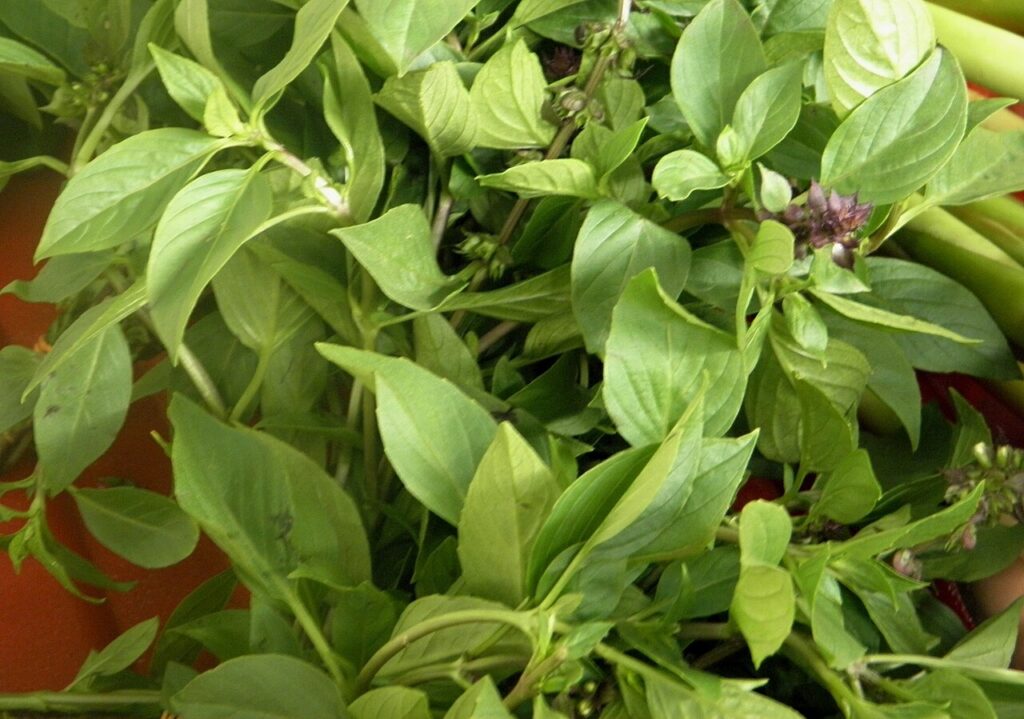
Educational reference species or hybrid: Ocimum basilicum. This name defines the educational scope of the profile; it does not scientifically identify the owner’s purchased material. Product-package identity, actual plant part and material grade remain unconfirmed.
Reference photograph of Basil — Eric Chan W.C., CC BY-SA 3.0. Resized for display. This reference image does not confirm the identity of the owner’s packet.

Spiritual Associations
Welcome
A sprig of sweet basil may be used in a contemporary home practice as a symbol of hospitality and care.
Gratitude
Growing or preparing a culinary herb can become a moment of appreciation for the people and work behind a meal. This is offered as a personal adaptation, rather than a borrowed religious ceremony.
Traditional Spiritual Uses
Contemporary reflection — not an attributed historical ceremony
Before a shared meal, write down one act of hospitality you appreciate beside a sweet-basil illustration. This modern adaptation does not borrow the distinct religious practices associated with holy basil.
Traditional knowledge
Traditional Medicinal Uses
Sweet basil appears in records of traditional digestive preparations. That history is not equivalent to clinical proof or a home dosing recommendation. Research and religious traditions specific to holy basil should not be transferred to sweet basil.
Intentional everyday living
Everyday Living
Culinary Uses
Fresh leaves are familiar in pesto, salads, and cooked dishes. Different cultivars vary in fragrance, so a labelled culinary plant helps connect the flavor with the botanical you are studying.
Other Applications
Compare the sweet-basil reference with other plants sold as basil, recording the full botanical name. This preserves the distinction between a useful culinary herb and a broad common-name category.
Working with Basil
Common Preparations
Sweet-basil leaves appear fresh or dried in food, while concentrated extracts and oils are different products. Keep Ocimum basilicum separate from holy-basil references. Only separately verified culinary material should be used in food; the collection packet is not assigned a medicinal preparation.
 Culinary Use
Safety & Precautions
Use correctly identified culinary sweet basil. Do not assume that a concentrated oil or supplement has the same safety profile as food. Seek individual advice before medicinal use, particularly during pregnancy, breastfeeding, or treatment with medicines. Stop use if an allergic reaction occurs.