Rose Petals
Rose Petals
Rosa × damascena
- Other Botanical Names
- Damask rose.
- Plant Family
- Rosaceae
- Plant Classification
- Deciduous shrub
- Ingredient Category
- Flowers
- Native Region
- Cultivated hybrid; no precise wild native range assigned.
- Parts Used
- Petals
- Common Forms
- Fresh or dried petals, food-grade rose water, and separately formulated cosmetic products.
Understanding Rose Petals
Overview & History
Damask rose is a cultivated rose hybrid valued for its fragrant flowers. This profile focuses on the petals and distinguishes food-grade rose water from perfumes or cosmetic products. A common rose-petal label does not confirm that a purchased material is Rosa × damascena.
Educational reference species or hybrid: Rosa × damascena. This name defines the educational scope of the profile; it does not scientifically identify the owner’s purchased material. Product-package identity, actual plant part and material grade remain unconfirmed.
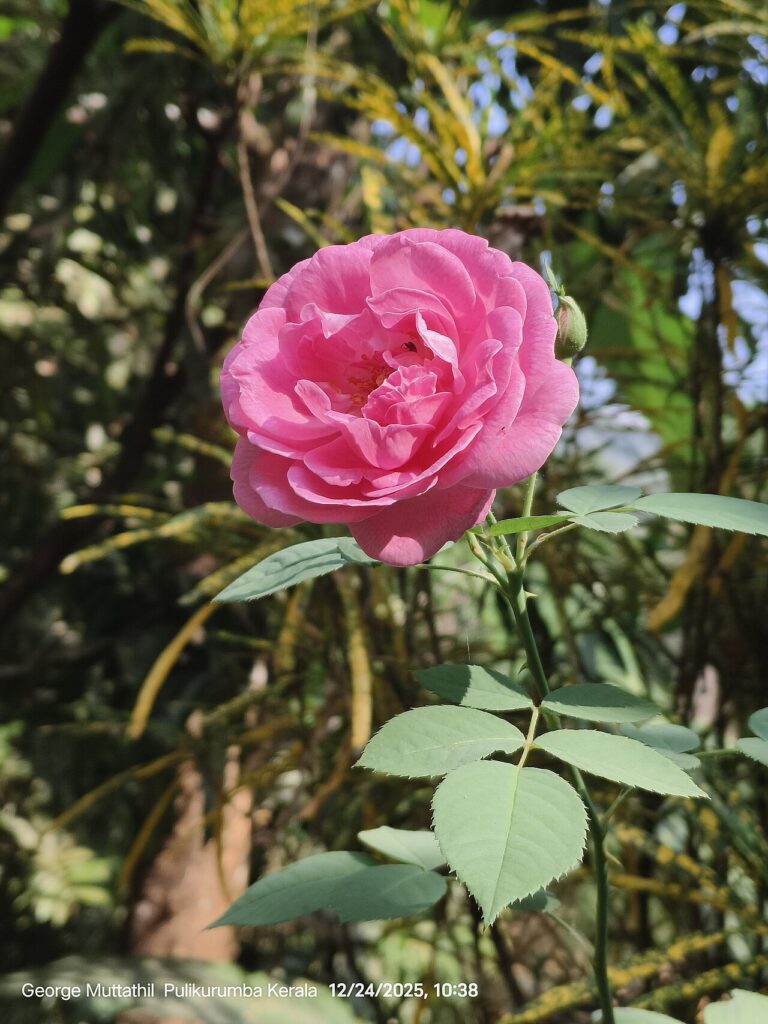
Reference photograph of Rose Petals — George Muttathil Pulikurumba, CC BY-SA 4.0. Resized for display. This reference image does not confirm the identity of the owner’s packet.

Spiritual Associations
Care and appreciation
In a contemporary personal practice, rose petals can represent tenderness, appreciation, and attention to relationships.
Remembrance
A small petal arrangement beside a photograph may accompany a moment of reflection. This is offered as a personal adaptation, rather than a universal rose ceremony.
Traditional Spiritual Uses
Cultural context and contemporary reflection
Learn about Al-Mrah’s Damascene rose craftsmanship and community festival through UNESCO’s account. A personal appreciation or remembrance note can acknowledge that living heritage without claiming to reproduce it or promising a love-related outcome.
Traditional knowledge
Traditional Medicinal Uses
European herbal monographs describe traditional preparations made from the petals of several rose species, including Damask rose, for minor mouth or skin inflammation. That history concerns specified preparations and does not establish that every rose water or cosmetic product has medicinal effects.
Intentional everyday living
Everyday Living
Skin & Body Care
A finished rose-containing body-care product offers a different experience from a petal infusion. Choose a product intended for the area of use and stop if irritation occurs.
Culinary Uses
Only petals or rose water sold for food use belong in drinks, sweets, or other recipes. Florist flowers may have treatments unsuitable for eating and should not be substituted.
Other Applications
Compare a rose petal with the entire reference flower, noting that botanical identity and cultivation history matter as well as color. Keep any supplier pesticide or product-grade information with the material record.
Working with Rose Petals
Common Preparations
Rose petals, flower heads, rose water, hydrosols, essential oil and formulated extracts are different products. Use only separately verified petals intended for a particular food or product purpose. Florist or craft flowers are not automatically suitable for eating, cosmetics or medicinal preparations.
 Culinary Use
 Teas
Safety & Precautions
Use only correctly identified, appropriately sourced petals. Avoid florist or decorative flowers in food preparations. Rose fragrance and topical products can irritate sensitive skin; follow product directions and stop if a reaction occurs. Herbal medicinal preparations have their own restrictions and are not interchangeable with rose water. Ask a clinician before using a rose preparation for a health concern.