
Sage
Sage
Salvia spp.
- Plant Family
- Lamiaceae
- Plant Classification
- Herb or shrub
- Ingredient Category
- Herbs
- Native Region
- Worldwide at Salvia genus level; individual species have distinct native ranges.
- Parts Used
- Leaves
- Common Forms
- Fresh or dried leaves, bundles and species-labeled commercial products.
Understanding Sage
Overview & History
True sages belong to Salvia in the mint family, but sage is used broadly in common names and commercial labeling. Culinary sage and white sage are different plants; sagebrush refers to another genus. This profile uses a genus-level educational reference and does not select a species, plant part or cultural tradition for the unverified packet.
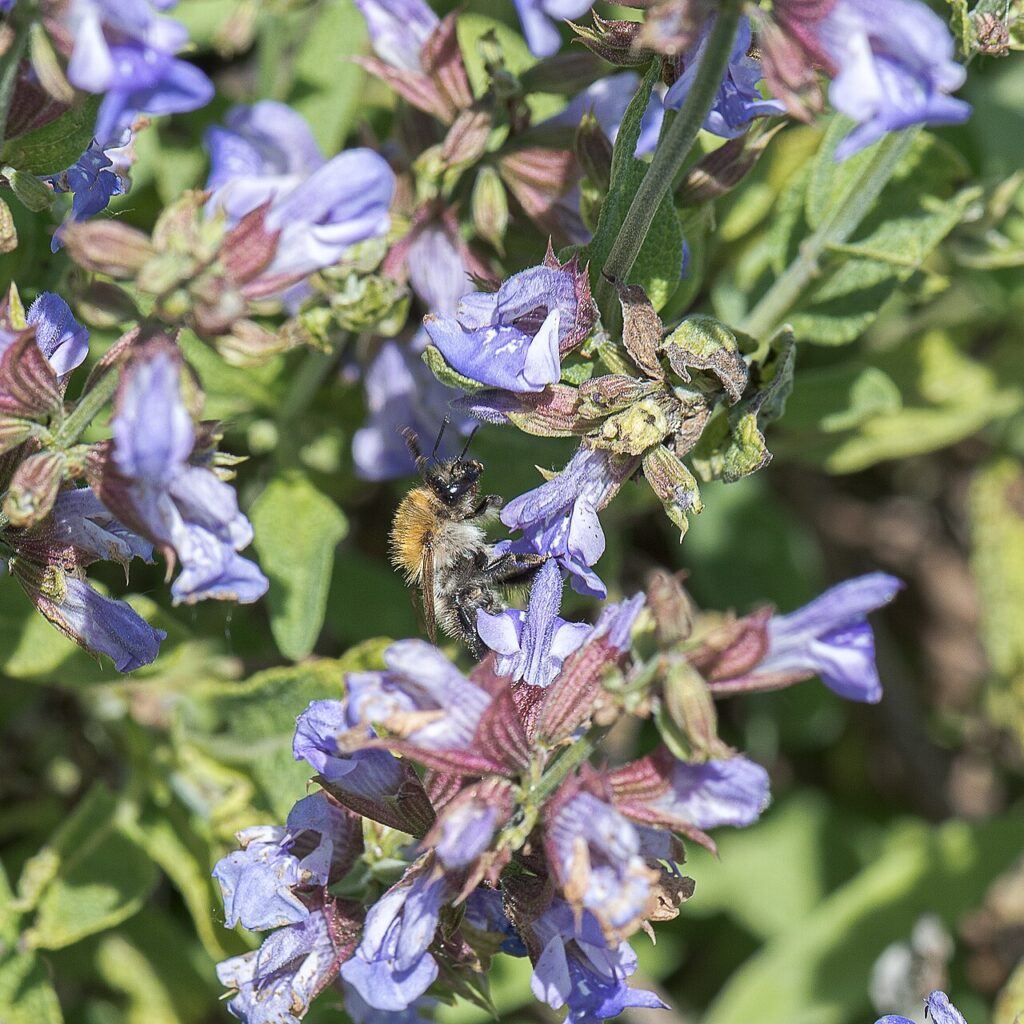
Educational reference genus: Salvia spp.. This name defines the educational scope of the profile; it does not scientifically identify the owner’s purchased material. Product-package identity, actual plant part and material grade remain unconfirmed.
Reference photograph of Sage — Flocci Nivis, CC BY 4.0. Resized for display. This reference image does not confirm the identity of the owner’s packet.

Spiritual Associations
Sage can be discussed as a contemporary symbol of discernment without claiming an Indigenous ceremony. Specific sacred practices belong to particular communities and should not be collapsed into a universal use of any plant sold as sage.
Traditional Spiritual Uses
Contemporary reflection — not an attributed historical ceremony
Reflect on a choice that requires discernment beside a labeled sage drawing. This contemporary exercise is distinct from a community’s sacred ceremony and does not require smoke or an unidentified bundle.
Traditional knowledge
Traditional Medicinal Uses
A medicinal account for one Salvia species cannot establish the use of another sage, sagebrush or an unidentified bundle. The genus-level scope here does not prescribe ingestion, smoke exposure or a topical preparation.
Intentional everyday living
Everyday Living
Other Applications
Keep the supplier’s full sage name and provenance in the record. Comparing labeled references for Salvia and sagebrush illustrates why a shared English word cannot establish botanical identity.
Working with Sage
Common Preparations
Culinary leaves, decorative bundles, oils and extracts are different sage products. Confirm species, part, intended grade and lawful sourcing before considering use. The collection is not assigned a tea, smoke-cleansing bundle or medicinal oil.
Safety & Precautions
Species matters; do not confuse white sage with common sage. Keep botanical materials, oils and resins away from children and pets; do not ingest or apply unidentified products.