
Pine Resin
Pine Resin
Pinus spp.
- Plant Family
- Pinaceae
- Plant Classification
- Coniferous tree or shrub
- Ingredient Category
- Resins
- Native Region
- Temperate/subtropical Northern Hemisphere to Southeast Asia and the Caribbean (Pinus genus range).
- Parts Used
- Resin
- Common Forms
- Raw oleoresin, hardened resin pieces and commercial incense blends.
Understanding Pine Resin
Overview & History
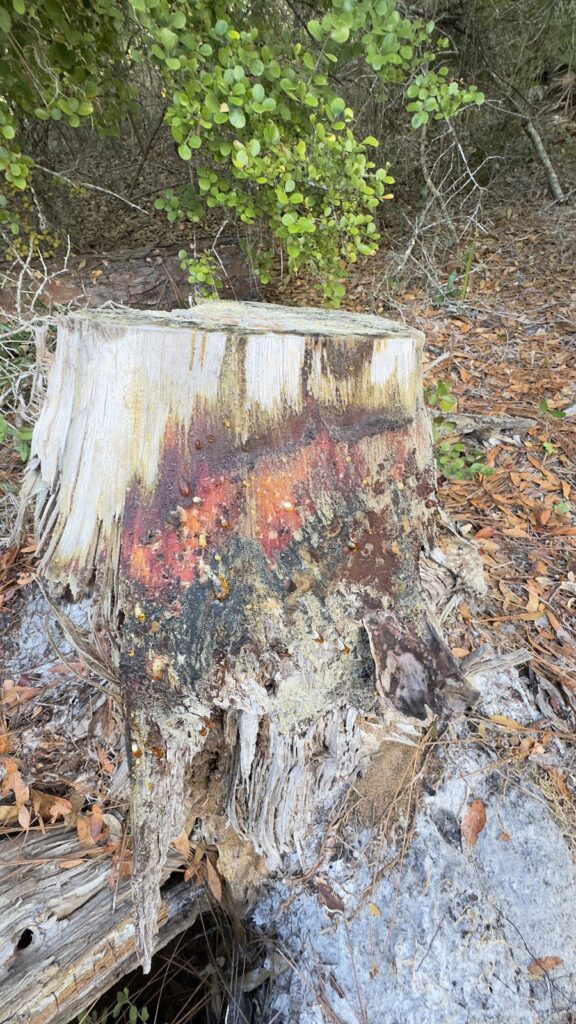
Pine resin is the sticky material produced by Pinus trees, not the same material as their needles or bark. It may harden into pieces and can be processed into other commercial products. The educational reference is genus-level; appearance alone does not establish species, purity or the presence of added fragrance in a purchased resin.
Educational reference genus: Pinus spp.. This name defines the educational scope of the profile; it does not scientifically identify the owner’s purchased material. Product-package identity, actual plant part and material grade remain unconfirmed.
Reference photograph of Pine Resin; the owner’s packet identity and grade are not confirmed. Reference photograph — RealGatba, CC0. Resized and converted to JPEG for display; gallery may crop the view. The reference image does not verify the owner’s packet.

Spiritual Associations
A pine-resin reference image can symbolize noticing how something damaged is cared for in a contemporary reflection. That is a metaphor, not a claim that the resin heals human wounds or carries a universal protective power.
Traditional Spiritual Uses
Contemporary reflection — not an attributed historical ceremony
Reflect on how care follows damage beside a pine-resin reference image. The metaphor is contemporary; it is not a claim that raw resin should be applied to a human wound.
Traditional knowledge
Traditional Medicinal Uses
Historical resin preparations and modern formulated products cannot establish a medical use for raw pine resin. Product composition and species must be known, and no wound dressing, ingestion or topical treatment is recommended from this collection.
Intentional everyday living
Everyday Living
Other Applications
Compare Pine Resin with Pine Needles to document two different materials from the same educational genus. Record any processing description so raw resin is not confused with a manufactured derivative.
Working with Pine Resin
Common Preparations
Raw resin, processed rosin, turpentine and formulated balms are distinct products. Keep a labeled unheated specimen for study. A historical material use is not a recipe for making a skin balm, solvent product or incense from an unverified packet.
Safety & Precautions
Do not ingest, apply undiluted, or burn in enclosed rooms. Keep botanical materials, oils and resins away from children and pets; do not ingest or apply unidentified products.