
Carnation
Carnation
Dianthus caryophyllus
- Other Botanical Names
- Silene caryophylla (historical synonym).
- Plant Family
- Caryophyllaceae
- Plant Classification
- Subshrub
- Ingredient Category
- Flowers
- Native Region
- Balkan Peninsula.
- Parts Used
- FlowersPetals
- Common Forms
- Fresh ornamental blooms, dried flowers and separated petals.
Understanding Carnation
Overview & History
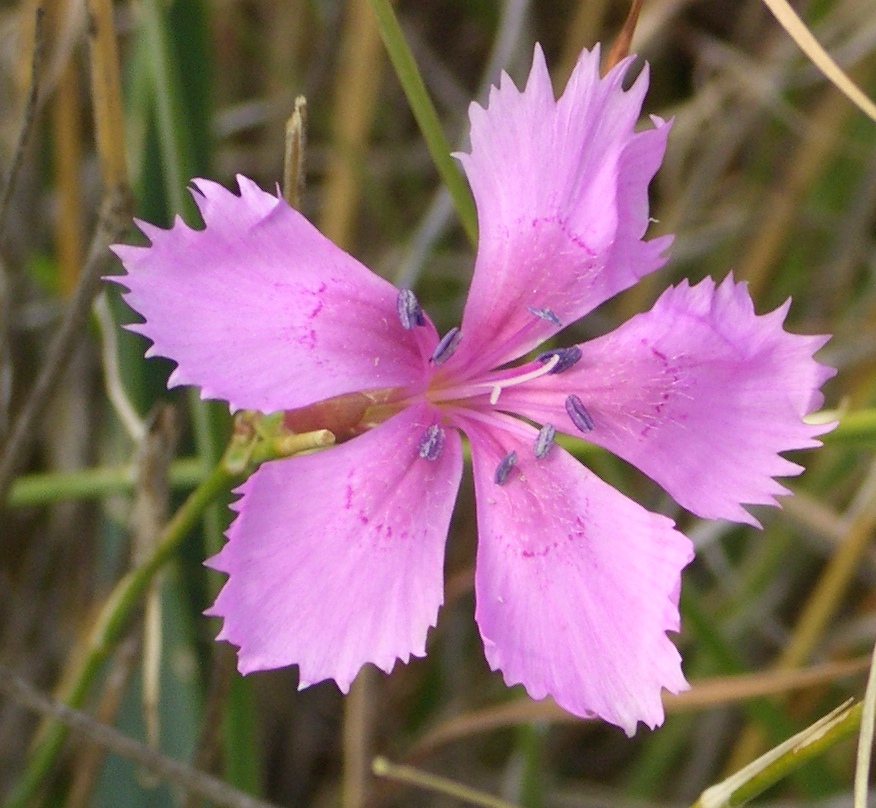
The garden carnation is represented educationally by Dianthus caryophyllus, a perennial plant in the pink family. Narrow leaves and flowers with often-fringed or toothed petal edges distinguish it from the daisy-family flowers elsewhere in the library. Cultivated carnations include many forms, and the collection material has not been identified from packaging.
Educational reference species or hybrid: Dianthus caryophyllus. This name defines the educational scope of the profile; it does not scientifically identify the owner’s purchased material. Product-package identity, actual plant part and material grade remain unconfirmed.
Reference photograph of Carnation — Zeynel Cebeci, CC BY-SA 3.0. Resized for display. This reference image does not confirm the identity of the owner’s packet.

Spiritual Associations
A carnation image may accompany a personal note of appreciation to someone who has offered care. The meaning is presented as a contemporary interpretation; flower-color meanings differ across communities and occasions.
Traditional Spiritual Uses
Contemporary reflection — not an attributed historical ceremony
Write a note of appreciation beside a carnation image, stating the meaning you personally give it. Do not assume that a flower color has the same ceremonial meaning in every community.
Traditional knowledge
Traditional Medicinal Uses
No medicinal treatment is assigned to the owner’s carnation packet. Records of plant use or edible flowers do not establish that florist-grown or craft-grade material is appropriate for ingestion, cosmetics or a home remedy.
Intentional everyday living
Everyday Living
Other Applications
Compare a carnation’s petal edges and narrow leaves with a botanical illustration before pressing or labeling a specimen. This offers a concrete botanical-study use rather than treating every decorative flower as a tea ingredient.
Working with Carnation
Common Preparations
Carnations are commonly handled as cut flowers, dried blooms or pressed botanical specimens. Florist flowers and craft packets should not be assumed edible or suitable for skin preparations. Identify the material and intended use before considering any preparation beyond a dry display.
Safety & Precautions
Florist flowers may contain pesticides; do not assume edible. Keep botanical materials, oils and resins away from children and pets; do not ingest or apply unidentified products.