
Chamomile
Chamomile
Matricaria chamomilla
- Other Botanical Names
- German chamomile; Matricaria recutita; Chamomilla recutita.
- Plant Family
- Asteraceae
- Plant Classification
- Annual flowering herb
- Ingredient Category
- Flowers
- Native Region
- Macaronesia, North Africa, and temperate Eurasia into parts of Asia.
- Parts Used
- Flowers
- Common Forms
- Dried flower heads and flower infusions; separately formulated extracts and body-care products.
Understanding Chamomile
Overview & History
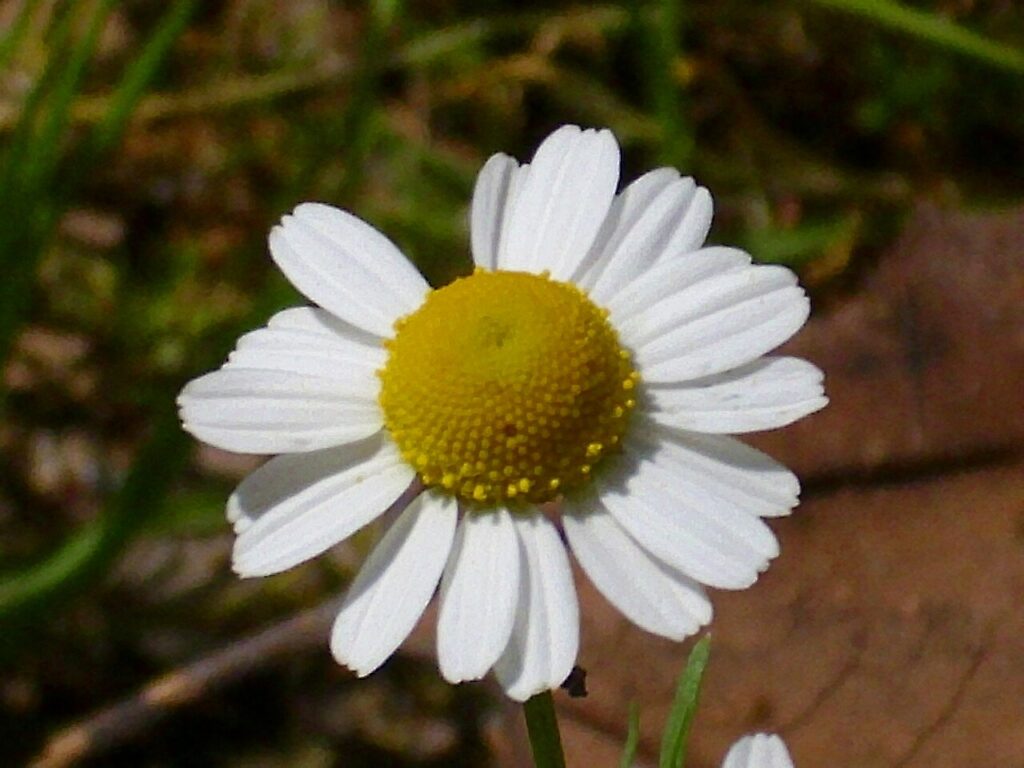
German chamomile is an annual herb with finely divided leaves and daisy-like flower heads. The golden flower centers and apple-like scent help explain why the flowers are familiar in teas and fragrant botanical crafts. German chamomile is a different plant from Roman chamomile.
Educational reference species or hybrid: Matricaria chamomilla. This name defines the educational scope of the profile; it does not scientifically identify the owner’s purchased material. Product-package identity, actual plant part and material grade remain unconfirmed.
Reference photograph of Chamomile — Javier martin, Public domain. Resized for display. This reference image does not confirm the identity of the owner’s packet.

Spiritual Associations
Gentleness
For a contemporary reflection practice, chamomile can represent a softer approach to a difficult day. A flower placed beside a journal offers a small visual reminder to respond with patience.
Peace
Its familiar tea ritual can be given a personal intention of rest or gratitude. This meaning is a contemporary interpretation, not an attributed ancient ceremony.
Traditional Spiritual Uses
Contemporary reflection — not an attributed historical ceremony
Pause beside a flower drawing and name a patient response to a difficult situation. This modern intention is separate from medicinal claims and is not presented as an ancient chamomile ceremony.
Traditional knowledge
Traditional Medicinal Uses
Chamomile has a long history in herbal preparations for digestive discomfort and other concerns. Research is not sufficient to establish reliable benefits for many promoted uses. Findings about a particular extract should not be treated as instructions for an ordinary cup of flowers.
Intentional everyday living
Everyday Living
Around the Home
The dried flowers can contribute an apple-like note to potpourri and small botanical crafts. Store dry materials away from moisture.
Other Applications
Compare labeled German- and Roman-chamomile illustrations, especially their plant habit and flower structures. The comparison makes the educational species choice visible without identifying the purchased material from a common name.
Working with Chamomile
Common Preparations
German-chamomile flower heads are encountered as verified food infusions and as specified medicinal or cosmetic products. Roman chamomile is a separate botanical reference. Do not transfer an extract study to an ordinary cup of flowers or treat decorative flowers as food grade.
 Teas
Safety & Precautions
Chamomile can cause allergic reactions, particularly in people sensitive to ragweed and related plants. Interactions have been reported or are possible with medicines including warfarin and cyclosporine; discuss regular use with a clinician if you take medicines. Pregnancy and breastfeeding safety is uncertain. Do not use homemade chamomile preparations as eyewashes.