
Ginger
Ginger
Zingiber officinale
- Other Botanical Names
- Amomum zingiber (historical synonym).
- Plant Family
- Zingiberaceae
- Plant Classification
- Rhizomatous perennial
- Ingredient Category
- Roots
- Native Region
- Eastern Himalaya to south-central China.
- Parts Used
- Rhizomes
- Common Forms
- Fresh or dried rhizomes, sliced material, ground spice and commercial extracts.
Understanding Ginger
Overview & History
Ginger’s familiar spice is a rhizome: an underground stem, rather than a true root. Zingiber officinale is the educational reference, with leafy shoots arising above the rhizome. Kew describes ginger’s history in the spice trade, and NCCIH distinguishes food use from the supplements examined in health studies. Neither reference confirms the purchased packet.
Educational reference species or hybrid: Zingiber officinale. This name defines the educational scope of the profile; it does not scientifically identify the owner’s purchased material. Product-package identity, actual plant part and material grade remain unconfirmed.
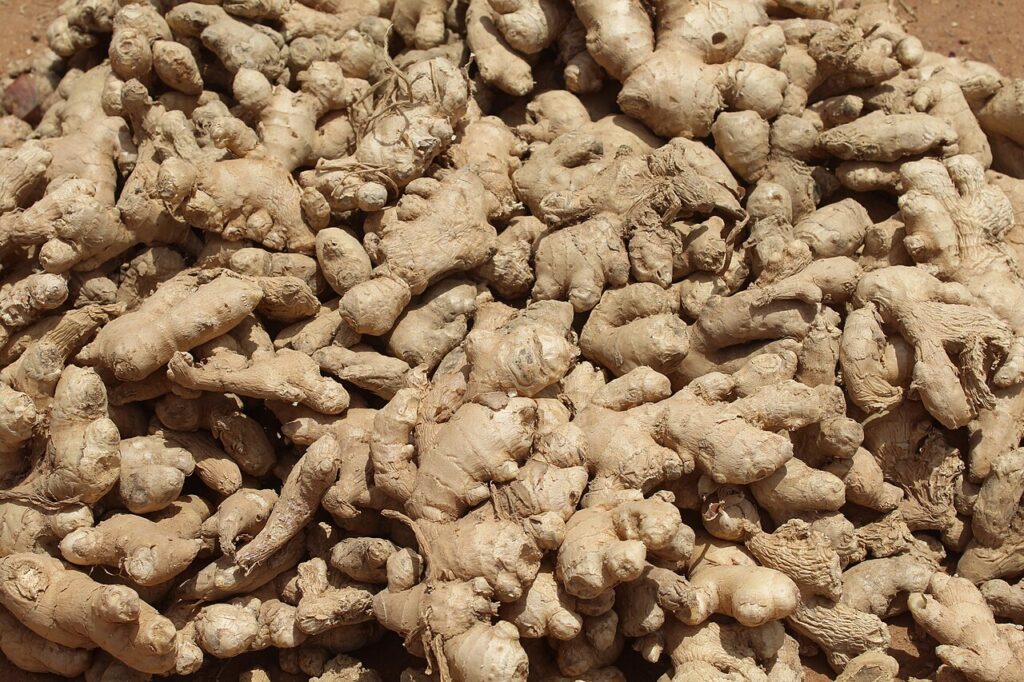
Reference photograph of Ginger — Friday musa, CC BY-SA 4.0. Resized for display. This reference image does not confirm the identity of the owner’s packet.

Spiritual Associations
A branching ginger-rhizome drawing can accompany a contemporary reflection on the connections that support visible growth. This is a modern metaphor and does not attribute one sacred custom to all ginger-using cultures.
Traditional Spiritual Uses
Contemporary reflection — not an attributed historical ceremony
Draw the connections in a branching rhizome and note the relationships behind your own visible progress. This is personal reflection, not a traditional medicinal preparation or an assigned cultural rite.
Traditional knowledge
Traditional Medicinal Uses
Ginger has a long history in folk medicine for digestive complaints. NCCIH reports research on several kinds of nausea, much of it involving supplements rather than foods; results differ by condition. The reference does not establish a treatment from the owner’s dried material or replace individualized medical advice.
Intentional everyday living
Everyday Living
Culinary Uses
Fresh, dried or powdered ginger from a verified culinary source can flavor food. Record the form used, since fresh rhizome and dried powder are not identical ingredients.
Other Applications
Compare ginger and turmeric as two rhizomes in the ginger family. An illustration showing shoots and underground stems explains the library’s practical Roots category without calling every underground organ a botanical root.
Working with Ginger
Common Preparations
Ginger occurs as fresh rhizome, dried slices, powder, food ingredients and concentrated extracts. These forms have different strengths and uses. For a collection record, identify the actual form first; no supplement dose or pregnancy remedy is assigned to a craft packet.
Safety & Precautions
Large supplemental amounts may interact with medications. Keep botanical materials, oils and resins away from children and pets; do not ingest or apply unidentified products.
Ginger taken orally can cause heartburn, abdominal discomfort, diarrhea or mouth and throat irritation. Discuss supplement use with a clinician if taking medicines, pregnant or breastfeeding. Ordinary culinary ginger and concentrated products should be considered separately; the collection packet’s grade remains unverified.