
Jasmine
Jasmine
Jasminum spp.
- Plant Family
- Oleaceae
- Plant Classification
- Tree or shrub
- Ingredient Category
- Flowers
- Native Region
- Tropical/subtropical Old World, central China and Pacific islands (genus range).
- Parts Used
- Flowers
- Common Forms
- Fresh or dried flowers and species-labeled fragrance extracts or absolutes.
Understanding Jasmine
Overview & History
True jasmines belong to Jasminum in the olive family and include shrubs and climbing plants with fragrant flowers. The broad name does not specify one species. Plants in other genera can also have jasmine in a common name, so this educational genus reference must not be used as a safety identification of an unverified flower packet.
Educational reference genus: Jasminum spp.. This name defines the educational scope of the profile; it does not scientifically identify the owner’s purchased material. Product-package identity, actual plant part and material grade remain unconfirmed.
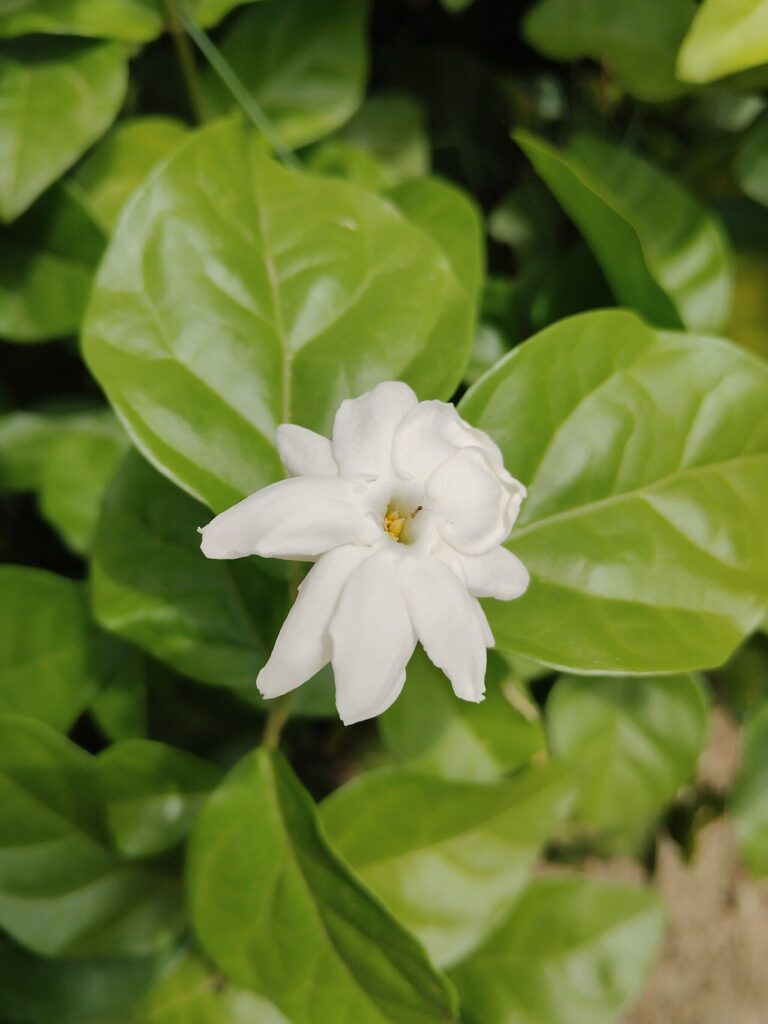
Reference photograph of Jasmine — PapiPijuan, CC BY-SA 4.0. Resized for display. This reference image does not confirm the identity of the owner’s packet.

Spiritual Associations
A jasmine illustration can serve as a contemporary prompt to notice small acts of care that change an atmosphere. This is a personal association; a particular garland, offering or religious custom needs its own cultural and botanical source.
Traditional Spiritual Uses
Contemporary reflection — not an attributed historical ceremony
Name a small act of care that changes an atmosphere beside a true-jasmine illustration. This modern practice does not reproduce a particular garland or offering custom and does not establish the packet’s identity.
Traditional knowledge
Traditional Medicinal Uses
A genus containing many jasmines cannot support one blanket medicinal claim. Traditional accounts, perfumery products and selected edible flowers refer to different materials. This profile does not assign an oral or topical treatment to the collection’s unidentified blooms.
Intentional everyday living
Everyday Living
Other Applications
Record the full supplier name rather than shortening it to jasmine. A botanical comparison between a true Jasminum flower and plants with jasmine in another common name can prevent a misleading label from becoming a use instruction.
Working with Jasmine
Common Preparations
Jasmine flowers occur as decorative material, perfumery ingredients and specifically identified food products. A scented tea may involve a separate tea plant flavored with selected jasmine flowers; it is not a reason to steep unidentified decorative blooms. Confirm species, processing and intended grade first.
Safety & Precautions
Species and processing matter; do not ingest unidentified flowers. Keep botanical materials, oils and resins away from children and pets; do not ingest or apply unidentified products.