Lavender
Lavender
Lavandula angustifolia
- Other Botanical Names
- English lavender; Lavandula officinalis is a historical name.
- Plant Family
- Lamiaceae
- Plant Classification
- Aromatic evergreen shrub
- Ingredient Category
- Flowers
- Native Region
- Mediterranean Europe, including France, Italy, and Spain.
- Parts Used
- Flowers
- Common Forms
- Dried flowers, flowering sprigs, sachets, and separately manufactured essential oil.
Understanding Lavender
Overview & History
English lavender is a small aromatic evergreen shrub with narrow leaves and purple flower spikes. Its familiar fragrance makes the flowers a natural starting point for learning about botanical scent, household crafts, and the difference between a dried plant and its concentrated oil.
Educational reference species or hybrid: Lavandula angustifolia. This name defines the educational scope of the profile; it does not scientifically identify the owner’s purchased material. Product-package identity, actual plant part and material grade remain unconfirmed.
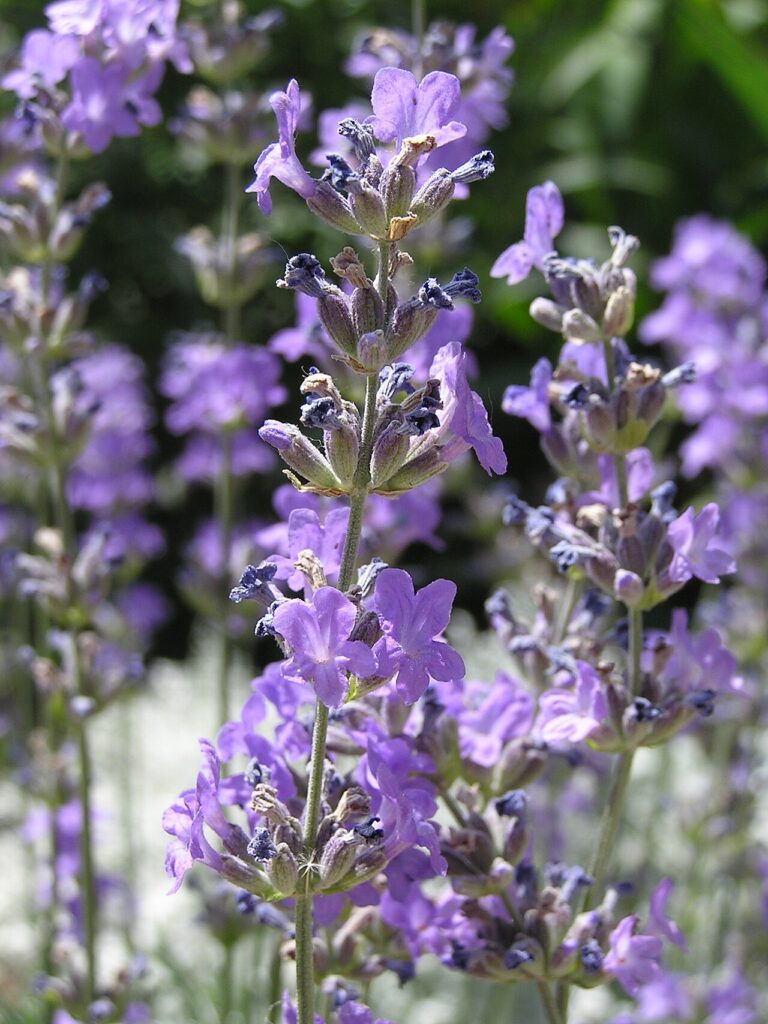
Reference photograph of Lavender — Andrey Butko, CC BY-SA 3.0. Resized for display. This reference image does not confirm the identity of the owner’s packet.

Spiritual Associations
Peace and reflection
In a contemporary personal practice, lavender can mark a gentle pause. Its fragrance may become a familiar cue to settle into journaling, prayer, or quiet reflection.
Rest
A small flower sachet near a reflection space can symbolize permission to slow down. This is a modern intention-based use, rather than a claim that every lavender tradition shares the same meaning.
Traditional Spiritual Uses
Contemporary reflection — not an attributed historical ceremony
Set aside a quiet moment with a lavender drawing and a short journal entry. The intention is personal; it does not establish a treatment for anxiety or require oil, smoke or an unverified flower preparation.
Traditional knowledge
Traditional Medicinal Uses
Lavender flowers have a European herbal tradition associated with mild mental stress and sleep. That traditional use is different from proof that a homemade preparation treats insomnia. Research on specific oral lavender products cannot be assumed to apply to a sachet, tea, or any essential oil.
Intentional everyday living
Everyday Living
Around the Home
Dried flower sachets and botanical crafts offer a simple way to enjoy lavender fragrance. Replace damp or deteriorated material and keep loose botanicals away from small children.
Other Applications
Compare a Lavandula angustifolia flower reference with the name on a purchased fragrance or oil. Record the botanical source and product form instead of using the single word lavender for every preparation.
Working with Lavender
Common Preparations
Lavender flowers may be dried for sachets or appear in specifically formulated products. Flower material, essential oil and oral capsules are not interchangeable. A pleasant fragrance does not establish that an aromatherapy oil is edible or that a craft packet is appropriate for tea.
 Teas
Safety & Precautions
Lavender may cause allergic skin reactions, headache, or coughing in some people. Evidence about use during pregnancy and breastfeeding is limited. Ask a clinician about oral products, especially alongside sedating medicines. Do not swallow an aromatherapy oil or assume that a flower preparation and an essential oil have the same safety profile.