
Lemon
Lemon
Citrus × limon
- Other Botanical Names
- Citrus limon (L.) Burm.f.; Citrus medica var. limon L. appear in botanical literature.
- Plant Family
- Rutaceae
- Plant Classification
- Evergreen fruit tree
- Ingredient Category
- Fruits
- Native Region
- Cultivated citrus hybrid; a precise wild native region is not assigned here.
- Parts Used
- FruitsPeel
- Common Forms
- Fresh fruit, juice, culinary zest, dried peel, and separately produced peel oil.
Understanding Lemon
Overview & History
Lemon is a cultivated citrus hybrid valued for its acidic fruit and fragrant peel. The evergreen tree belongs to the citrus family, Rutaceae. Juice and outer zest offer different qualities in the kitchen, while peel oil is a separate concentrated product.
Educational reference species or hybrid: Citrus × limon. This name defines the educational scope of the profile; it does not scientifically identify the owner’s purchased material. Product-package identity, actual plant part and material grade remain unconfirmed.
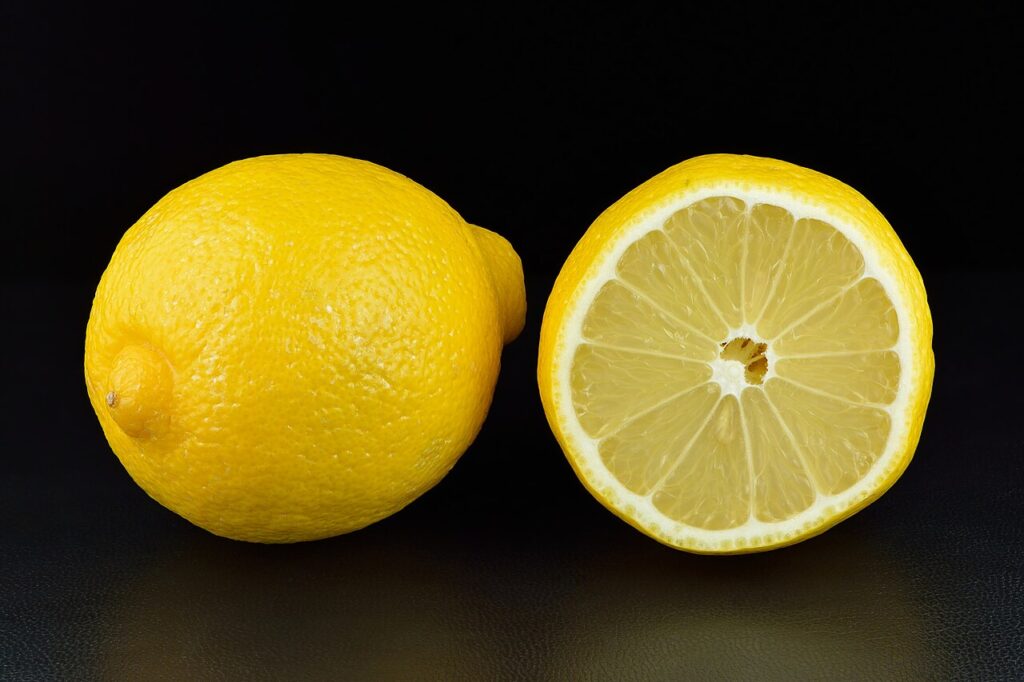
Reference photograph of Lemon — Ivar Leidus, CC BY-SA 4.0. Resized for display. This reference image does not confirm the identity of the owner’s packet.

Spiritual Associations
Fresh beginnings
In contemporary intention work, lemon can represent a clean starting point. A whole fruit beside a journal can be used as a reminder to name what you want to begin.
Clarity
The bright fragrance offers a sensory focus for reflection. This is a personal symbolic association, not a claim that lemon has one universal spiritual meaning.
Traditional Spiritual Uses
Contemporary reflection — not an attributed historical ceremony
Write one beginning you want to make beside a lemon image. The contemporary symbol does not require juice on skin, a cleansing drink or a claim of universal purification.
Traditional knowledge
Traditional Medicinal Uses
Lemon has a history of food and medicinal use, but broad historical records do not establish a treatment for a particular condition. This profile focuses on the fruit as a botanical and culinary ingredient and does not present a lemon cleanse or a medicinal dosing routine.
Intentional everyday living
Everyday Living
Skin & Body Care
Choose finished body-care products made for skin use rather than applying raw lemon juice as a treatment.
Culinary Uses
Lemon juice brings acidity to dressings and cooked dishes, while zest contributes fragrance. Use tested instructions for canning and preservation rather than assuming that any amount of lemon makes a recipe safe.
Other Applications
Compare the fruit wall, zest and inner segments in a lemon diagram. It clarifies which part a supplier means by peel and why a peel oil cannot be substituted freely for juice.
Working with Lemon
Common Preparations
Verified culinary lemon fruit, juice and zest are different from concentrated peel oil. Use each food or formulated product for its intended purpose. The collection packet is not assigned a cleansing drink, skin treatment or spiritual bath containing raw juice.
 Culinary Use
Safety & Precautions
Citrus juice on skin followed by sunlight can cause a painful skin reaction. Wash after handling and keep juice away from irritated skin and eyes. Peel oil is a concentrated material with separate handling requirements. Do not use raw juice as a skin treatment or substitute an aromatherapy oil for a food ingredient.