
Lime
Lime
Citrus × latifolia
- Other Botanical Names
- Persian lime; Tahiti lime; Bearss lime. Citrus × aurantiifolia var. latifolia is an older botanical name.
- Plant Family
- Rutaceae
- Plant Classification
- Evergreen fruit tree
- Ingredient Category
- Fruits
- Native Region
- Cultivated citrus hybrid; its precise geographic origin is uncertain.
- Parts Used
- FruitsPeel
- Common Forms
- Fresh fruit, juice, culinary zest, dried peel, and separately manufactured peel oil.
Understanding Lime
Overview & History
Persian lime brings a bright fragrance and a lively, tart flavor to the botanical pantry. This educational profile uses Citrus × latifolia as its reference species. It does not identify the limes purchased for Rashean Collective; those materials still require label or supplier confirmation.
Persian lime is an evergreen citrus tree with typically seedless fruit and pale green flesh. Fruit is commonly sold green, although the rind can turn yellow as it ripens. The names Persian and Tahiti lime reflect its naming and cultivation history, rather than a confirmed wild origin in either place.
Educational reference species or hybrid: Citrus × latifolia. This name defines the educational scope of the profile; it does not scientifically identify the owner’s purchased material. Product-package identity, actual plant part and material grade remain unconfirmed.
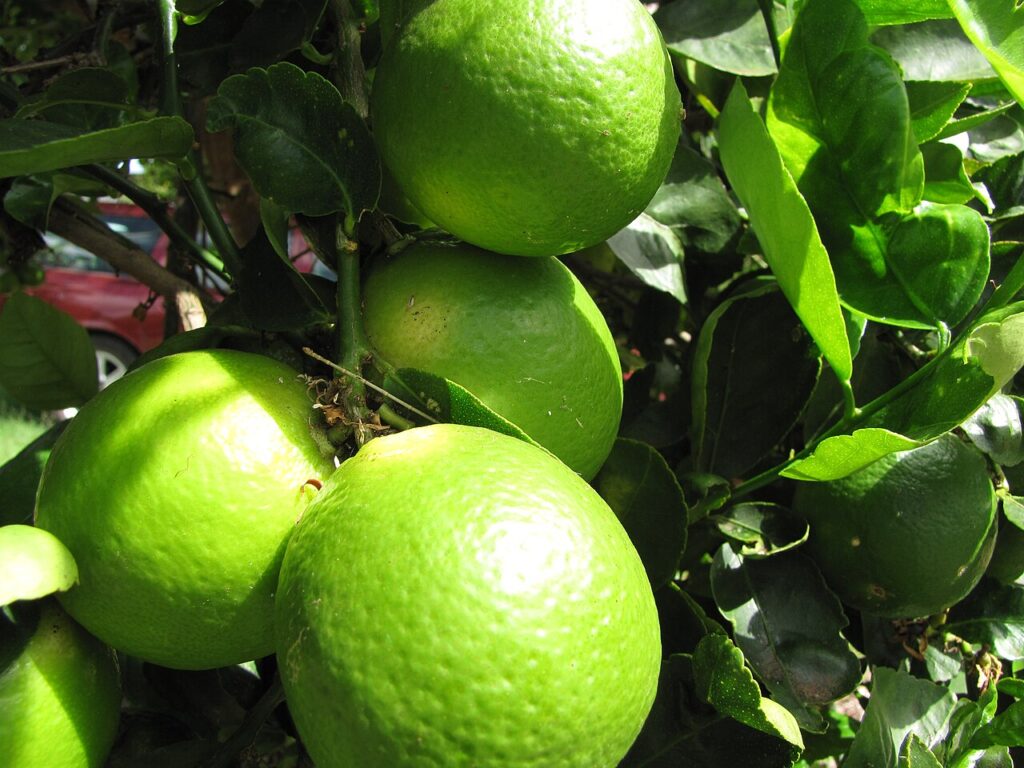
Reference photograph of Lime — Forest and Kim Starr, CC BY 3.0 us. Resized for display. This reference image does not confirm the identity of the owner’s packet.

Spiritual Associations
Renewal
For a contemporary personal practice, lime can represent a fresh beginning. Its vivid color and recognizable fragrance can serve as a reminder to pause, reset an intention, and decide what you want to carry into the next part of your day.
Clarity
Lime may be chosen as a sensory symbol for clear thinking and a refreshed outlook. Here, that meaning is offered as a contemporary interpretation, rather than a claim about a specific historical community.
Traditional Spiritual Uses
Contemporary reflection — not an attributed historical ceremony
Write what you want to carry into the next part of your day beside a lime image. This contemporary reset does not require a lime-juice bath or establish a cleansing effect.
Traditional knowledge
Traditional Medicinal Uses
Food uses, traditional remedies, and concentrated botanical products deserve separate consideration. Persian lime is well established as a culinary fruit, but that history alone does not establish a treatment for illness. This profile does not extend medicinal findings from another citrus species to Persian lime or recommend a medicinal dose.
Intentional everyday living
Everyday Living
Skin & Body Care
Raw lime juice is not a skin-care substitute. If you enjoy lime fragrance in body care, choose a product formulated and labelled for that purpose rather than adding juice or concentrated peel oil to a homemade treatment.
Around the Home
A whole fruit can be part of a short-lived fragrant arrangement or seasonal table display. Keep food ingredients separate from decorative materials. Discard deteriorating fruit rather than leaving it in a closed display.
Culinary Uses
Use the fruit’s tartness to balance dressings, sauces, drinks, and cooked dishes. Culinary zest contributes fragrance with less acidity than juice. Wash fruit before handling and follow a tested recipe whenever preserving food; adding lime does not make an untested preservation method safe.
Other Applications
Keep the Persian-lime educational reference separate from other limes when recording a supplier’s botanical name. A fruit diagram can also distinguish juice, peel and essential-oil products.
Working with Lime
Common Preparations
Persian-lime fruit is used in food as juice or zest from a verified culinary source. A concentrated peel oil is a separate product. Do not substitute a culinary discussion for a skin-care recipe, medicinal dose or an identification of the owner’s packet.
 Culinary Use
Safety & Precautions
Lime contact and sunlight
Lime juice on skin followed by sunlight can cause a painful reaction with redness, blisters, or lingering discoloration. Wash exposed skin thoroughly with soap and water after handling limes, and avoid sun exposure to affected areas. Do not use raw lime juice in a skin treatment or spiritual bath.
Concentrated products
Peel oil is different from food juice or zest. Use only products appropriate for their labelled purpose, and keep them away from children. Seek medical advice for a significant skin reaction or an accidental exposure.