
Mint
Mint
Mentha spicata
- Other Botanical Names
- Spearmint. Distinct from peppermint, Mentha × piperita.
- Plant Family
- Lamiaceae
- Plant Classification
- Herbaceous perennial
- Ingredient Category
- Herbs
- Native Region
- Long cultivated and naturalized; precise native range is uncertain.
- Parts Used
- Leaves
- Common Forms
- Fresh or dried spearmint leaves, food infusions, and culinary herb blends.
Understanding Mint
Overview & History
This reference profile uses spearmint, Mentha spicata, for the ingredient called Mint. Spearmint is an aromatic herbaceous perennial with square stems and toothed leaves. Mint naming and hybridization can be complicated, so a general mint label does not confirm a species.
Educational reference species or hybrid: Mentha spicata. This name defines the educational scope of the profile; it does not scientifically identify the owner’s purchased material. Product-package identity, actual plant part and material grade remain unconfirmed.
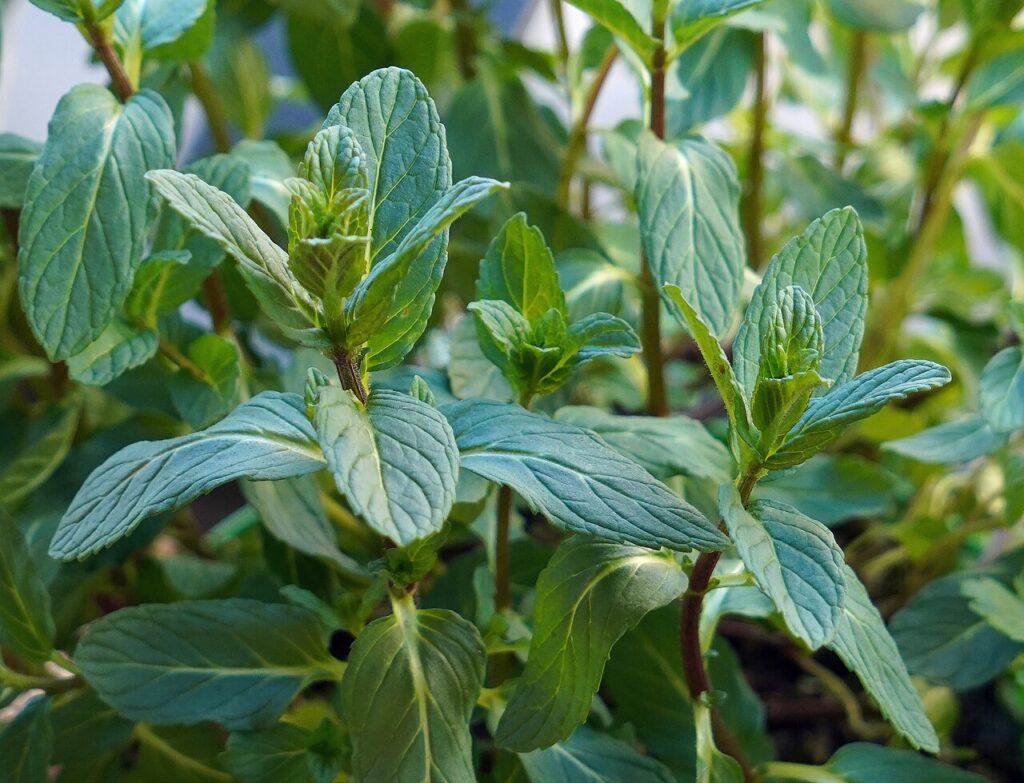
Reference photograph of Mint — Commonists, CC BY-SA 4.0. Resized for display. This reference image does not confirm the identity of the owner’s packet.

Spiritual Associations
Refreshment
Spearmint may represent a refreshed outlook in a contemporary intention practice. A fresh sprig can provide a familiar sensory point of focus.
Attention
Choosing to pause with a plant before journaling can symbolize returning attention to the present. That personal meaning does not require a claim about an ancient spearmint-specific ritual.
Traditional Spiritual Uses
Contemporary reflection — not an attributed historical ceremony
Pause with a spearmint illustration and name the task you want to return to. This is a contemporary attention practice, not evidence that all mints share an ancient rite or cognitive effect.
Traditional knowledge
Traditional Medicinal Uses
Spearmint leaves are familiar in food and infusions. This profile does not transfer evidence from peppermint-oil studies to spearmint or recommend spearmint as treatment for a condition. A pleasant food tradition and a tested medicinal product are different kinds of evidence.
Intentional everyday living
Everyday Living
Culinary Uses
Spearmint leaves contribute fragrance to drinks, salads, sauces, and sweet dishes. Start with a labelled culinary plant so the flavor and species remain connected.
Other Applications
Compare the Mint reference, Mentha spicata, with the Peppermint hybrid entry. Keep the actual supplier identity separate so the broad name mint does not erase a meaningful botanical and product distinction.
Working with Mint
Common Preparations
This profile uses spearmint as its educational reference. Traceable culinary leaves may be fresh or dried, while essential oils and extracts are different products. Peppermint-oil studies do not provide a spearmint-leaf preparation or a dose for an unidentified mint packet.
 Culinary Use
 Teas
Safety & Precautions
Confirm the identity of material sold simply as mint before using it in a botanical preparation. Food use does not establish the safety of concentrated oils or supplements. Ask a clinician before medicinal use, especially for children, during pregnancy, or when medicines are involved. Avoid any product that causes an allergic reaction.