
Slippery Elm Bark
Slippery Elm Bark
Ulmus rubra
- Other Botanical Names
- Ulmus fulva (historical synonym).
- Plant Family
- Ulmaceae
- Plant Classification
- Deciduous tree
- Ingredient Category
- Barks
- Native Region
- Southeastern Canada to central and eastern United States.
- Parts Used
- Bark
- Common Forms
- Cut dried inner bark, bark powder and formulated products.
Understanding Slippery Elm Bark
Overview & History
Slippery elm, Ulmus rubra, is a North American tree in the elm family. Herbal references concern its inner bark, a different material from the whole trunk or an arbitrary bark shaving. The educational species reference does not confirm the source, harvesting method or material grade of this packet.
Educational reference species or hybrid: Ulmus rubra. This name defines the educational scope of the profile; it does not scientifically identify the owner’s purchased material. Product-package identity, actual plant part and material grade remain unconfirmed.
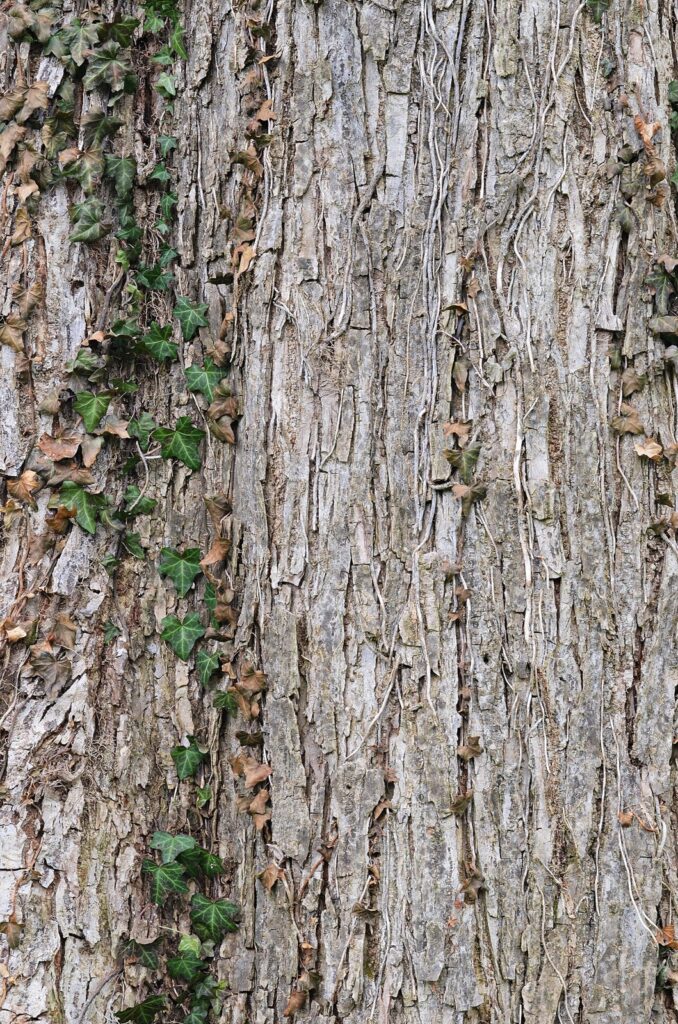
Ulmus rubra trunk bark is shown; it is not a verified inner-bark product or an identification of the owner’s packet. Reference photograph — Photo by and (c)2016 Derek Ramsey (Ram-Man), CC BY-SA 4.0. Resized and converted to JPEG for display; gallery may crop the view. The reference image does not verify the owner’s packet.

Spiritual Associations
An elm illustration can accompany a contemporary reflection on offering gentleness without assuming one can repair everything. This is a personal metaphor, not a borrowed traditional healing ceremony.
Traditional Spiritual Uses
Contemporary reflection — not an attributed historical ceremony
Write about offering gentleness while respecting limits beside an elm illustration. This is contemporary personal reflection, not an Indigenous healing instruction or a bark remedy.
Traditional knowledge
Traditional Medicinal Uses
Memorial Sloan Kettering describes slippery elm’s traditional use for throat, cough and gastrointestinal concerns, while emphasizing that it is not established as treatment for serious illness. Those records do not establish efficacy or a dose for the owner’s bark.
Intentional everyday living
Everyday Living
Other Applications
Use labeled bark and leaf photographs to connect the tree with the inner-bark material. A sourcing note is particularly useful for bark ingredients, since harvesting concerns are different from collecting a shed leaf.
Working with Slippery Elm Bark
Common Preparations
Slippery-elm inner bark occurs cut or powdered and in formulated products. A medicinal lozenge or a studied formulation is not a recipe for the collection’s loose bark. Verify the actual inner-bark material and sustainable source before considering any preparation.
Safety & Precautions
May affect absorption of medicines; sourcing and conservation matter. Keep botanical materials, oils and resins away from children and pets; do not ingest or apply unidentified products.