
Sweet Orange
Sweet Orange
Citrus × sinensis
- Other Botanical Names
- Citrus × aurantium f. aurantium is the accepted Kew treatment of the widely used name Citrus × sinensis.
- Plant Family
- Rutaceae
- Plant Classification
- Evergreen fruit tree
- Ingredient Category
- Fruits
- Native Region
- Cultivated citrus hybrid associated with southern China.
- Parts Used
- Peel
- Common Forms
- Fresh fruit, juice, culinary zest, dried peel, and separately manufactured peel oil.
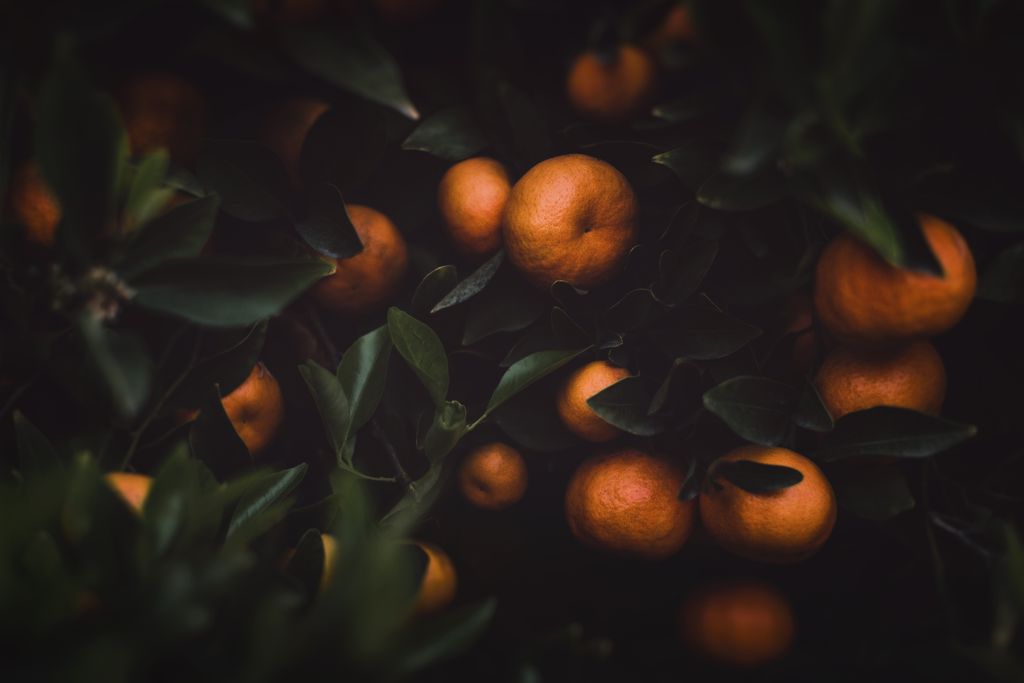
Understanding Sweet Orange
Overview & History
Sweet orange is an evergreen fruit tree in the citrus family, Rutaceae, cultivated for its edible fruit and aromatic peel. <em>Citrus × sinensis</em> is a widely used name; Kew currently treats it as a synonym of <em>Citrus × aurantium</em> f. <em>aurantium</em>. This naming distinction helps separate sweet orange from other citrus ingredients.
Educational reference species or hybrid: Citrus × sinensis. This name defines the educational scope of the profile; it does not scientifically identify the owner’s purchased material. Product-package identity, actual plant part and material grade remain unconfirmed.
Spiritual Associations
Joy and an uplifting atmosphere
In a contemporary personal practice, sweet orange’s bright color and familiar fragrance can represent warmth, joy, and a renewed outlook.
Prosperity
An orange beside a written intention may symbolize gratitude for existing resources and hopes for growth. This is a modern adaptation. Traditions specifically involving mandarin oranges should not automatically be attributed to sweet orange.
Traditional Spiritual Uses
Contemporary reflection — not an attributed historical ceremony
Write a gratitude note beside a sweet-orange image. This contemporary prosperity symbolism is not a promise of money and should not be confused with traditions specifically involving mandarin oranges.
Traditional knowledge
Traditional Medicinal Uses
Sweet orange is familiar as a food and aromatic botanical. This profile does not transfer findings about bitter orange, mandarin, or a concentrated citrus extract to sweet orange fruit. A history of culinary use alone does not establish a medicinal treatment or dose.
Intentional everyday living
Everyday Living
Skin & Body Care
Sweet orange fragrance appears in formulated body-care products. Choose a product intended for the particular skin-care use and follow its directions. Raw peel oil and household citrus cleaners are different materials.
Around the Home
A whole-fruit pomander offers a seasonal fragrance craft. Keep it separate from food and discard fruit that becomes damp or deteriorates. A fragrant display is different from a household cleaning product.
Culinary Uses
The fruit can be eaten fresh or juiced, while culinary zest contributes peel fragrance to a recipe. Keep food-grade ingredients separate from fragrance oils and decorative materials.
Other Applications
Compare a sweet-orange fruit illustration with a product label for peel oil or a cleaner. This makes the product-form distinction visible and avoids borrowing uses from bitter orange or mandarin.
Working with Sweet Orange
Common Preparations
Sweet-orange fruit, culinary peel and juice are food forms when separately verified for that purpose. Essential oil, fragrance blends and household cleaners are different products. Do not infer that an orange-scented oil is edible or appropriate for direct skin application.
 Culinary Use
Safety & Precautions
Food uses and concentrated peel oil
Sweet orange fruit and culinary zest are different from concentrated peel oil. A history of food use does not establish that an essential oil, fragrance blend, or orange-oil household cleaner is safe to swallow or apply to skin. Use each product only for its labelled purpose.
Skin contact and storage
Essential oils can irritate skin or cause allergic reactions. Do not apply undiluted aromatherapy oil or use essential oils on damaged skin. Choose a product formulated for the intended skin-care use and follow its directions. If a rash or irritation develops, stop using the product and wash it off.
Do not swallow aromatherapy essential oils. Keep concentrated oils and fragranced household products securely out of the reach of children and pets. Seek qualified advice before medicinal use or if you have concerns about a product or possible interactions.