
Wild Cherry Bark
Wild Cherry Bark
Prunus spp.
- Plant Family
- Rosaceae
- Plant Classification
- Tree or shrub
- Ingredient Category
- Barks
- Native Region
- Worldwide at Prunus genus level; individual source species have distinct ranges.
- Parts Used
- Bark
- Common Forms
- Cut dried bark, bark powder and source-specific commercial preparations.
Understanding Wild Cherry Bark
Overview & History
Wild cherry bark is a common material name that does not settle a single Prunus species. Prunus serotina is one North American educational example, but the broader genus includes many different trees and shrubs. Bark, fruit flesh, leaves and fruit stones are separate materials; the edibility of selected cherry flesh does not validate a bark preparation.
Educational reference genus: Prunus spp.. This name defines the educational scope of the profile; it does not scientifically identify the owner’s purchased material. Product-package identity, actual plant part and material grade remain unconfirmed.
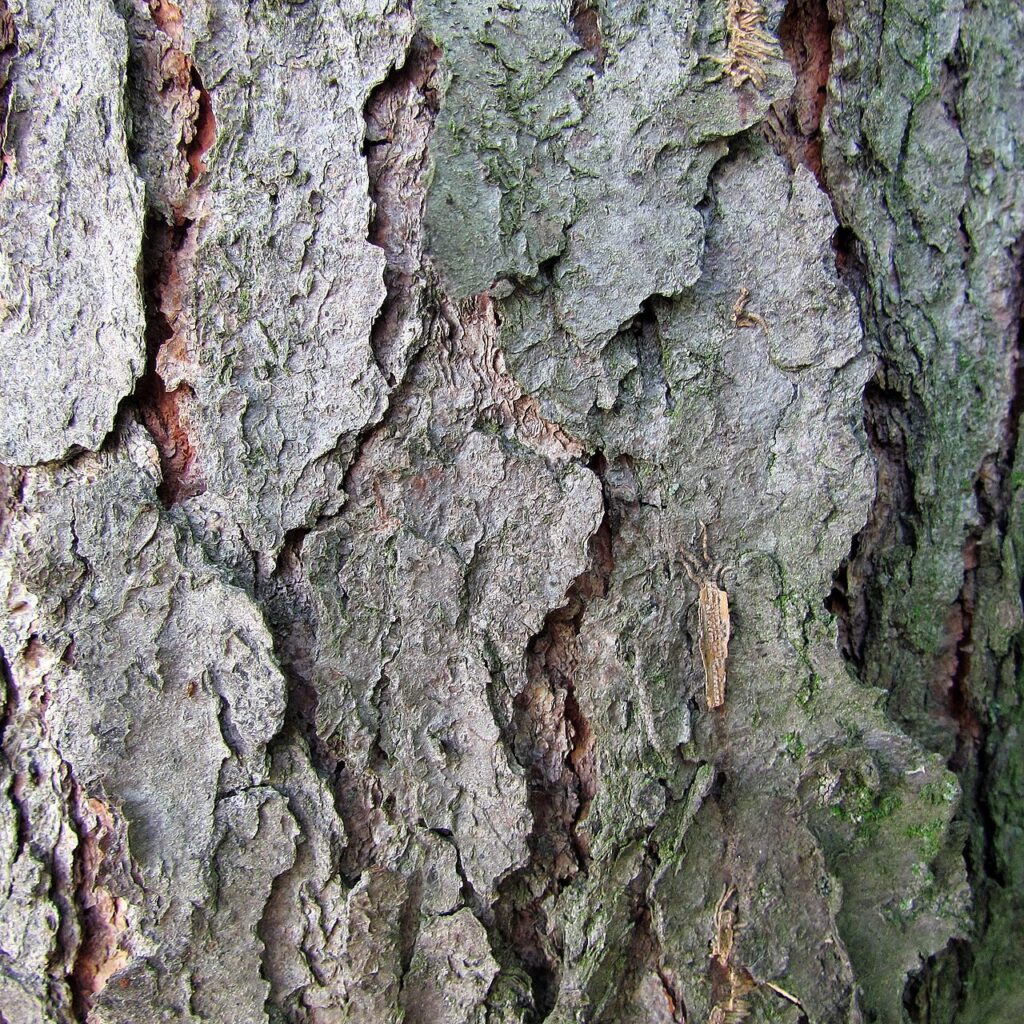
Prunus serotina trunk bark illustrates one wild-cherry source; the owner’s bark species remains unconfirmed. Reference photograph — Gmihail at Serbian Wikipedia, CC BY-SA 3.0 rs. Resized and converted to JPEG for display; gallery may crop the view. The reference image does not verify the owner’s packet.

Spiritual Associations
A cherry-tree drawing can prompt a contemporary reflection on patient growth and the difference between appearance and understanding. It is not presented as an established bark ritual or a promise of healing.
Traditional Spiritual Uses
Contemporary reflection — not an attributed historical ceremony
Reflect on the difference between a familiar appearance and careful understanding beside a source-tree illustration. The exercise is contemporary and does not assign a bark ceremony or a cough treatment.
Traditional knowledge
Traditional Medicinal Uses
Historical references to cherry-bark cough preparations concern named source plants and processing methods. They do not establish a safe homemade syrup from this packet. This genus-level profile does not recommend using the bark for respiratory symptoms.
Intentional everyday living
Everyday Living
Other Applications
Use a labeled source-tree illustration to keep bark distinct from edible cherry fruit. Record the botanical source and supplier processing details before adding any use information to the collection.
Working with Wild Cherry Bark
Common Preparations
Cut bark and formulated commercial preparations require verified species and controlled processing. Do not make a syrup, tea or tincture from unidentified bark. A historical cough-product label is not a safe preparation method for the collection packet.
Safety & Precautions
Contains cyanogenic compounds; unsafe to prepare casually. Keep botanical materials, oils and resins away from children and pets; do not ingest or apply unidentified products.