Nature & Wellness
Spiritual Baths: Where Nature, Science & Intention Meet
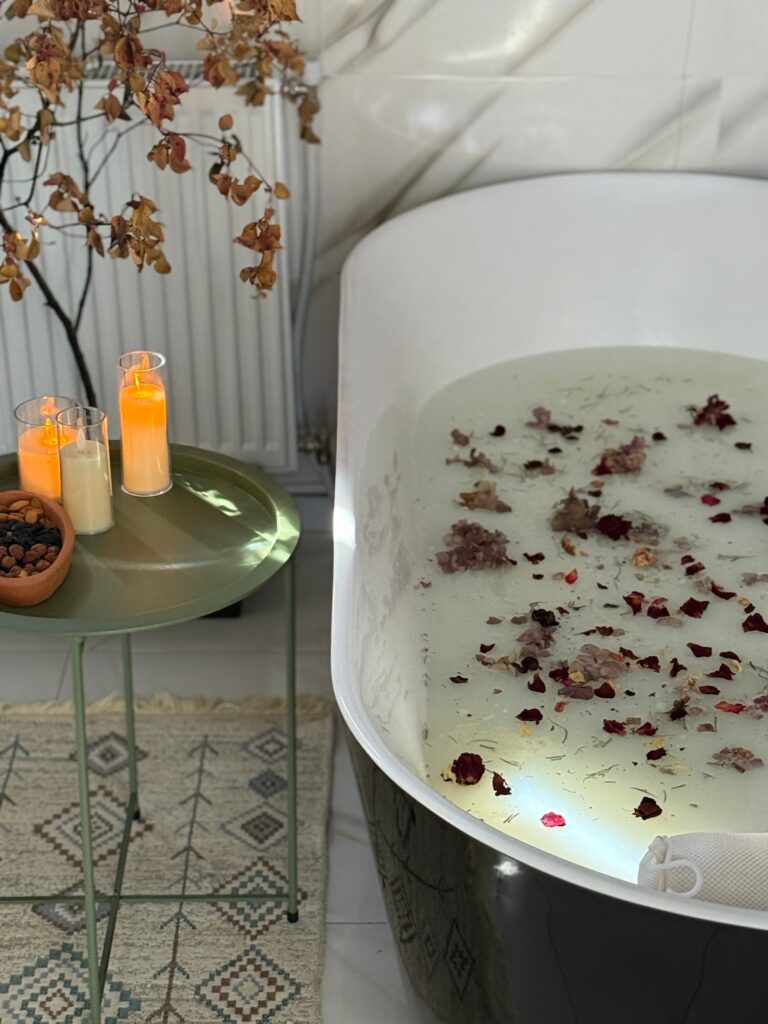
What if I told you that some of the benefits people associate with spiritual baths might also have a scientific explanation?
Think about the last time you took a warm bath after a stressful day.
Maybe your muscles relaxed. Your breathing slowed. You felt calmer, more comfortable, or simply a little more like yourself.
Now imagine adding ingredients that have been traditionally associated with relaxation, skin care, or personal well-being.
Suddenly, that ordinary bath becomes something a little more intentional.
For generations, people across different cultures have incorporated herbs, flowers, salts, and other natural ingredients into bathing practices.
Some use them for physical care. Others incorporate them into prayer, spiritual cleansing, or ceremonies.
And sometimes, those purposes overlap.
So let’s explore what happens when we bring nature, science, and spiritual intention into the same conversation.
What Makes a Bath Spiritual?
A spiritual bath is generally a bathing practice that incorporates a personal, religious, or spiritual intention.
Depending on the tradition, someone might prepare a bath to symbolize cleansing, protection, prosperity, renewal, or emotional release.
Different cultures have their own practices, ingredients, and meanings. There isn’t one universal method.
But here’s something I find interesting.
The physical experience of bathing and the spiritual meaning we give it don’t necessarily have to compete.
For example, someone may prepare a bath with the intention of releasing stress.
The warm water might help them relax physically, while the quiet time allows them to reflect emotionally.
If they approach that experience through prayer or spiritual intention, the bath may also hold a deeper personal meaning.
That doesn’t mean science has proven the spiritual claims. It simply means the physical and emotional experiences can be real and meaningful alongside someone’s beliefs.
The Science Behind Feeling Better
Our bodies constantly respond to our surroundings.
Temperature, touch, scent, and the products we apply to our skin can all influence our physical experience.
Warm Water and Relaxation
Warm water doesn’t just feel pleasant.
Research suggests immersion bathing may help reduce perceived stress and fatigue while supporting relaxation and aspects of emotional well-being.
The warmth can also encourage a sense of physical comfort.
And when your body feels more comfortable, creating a moment of mental rest may become easier.
Of course, a bath isn’t a treatment for depression or other mental health conditions. But it can be one way to incorporate relaxation into your routine.
Lavender and the Sense of Smell
Lavender has been used in fragrances, bathing products, and traditional practices for centuries.
Some studies suggest lavender aromatherapy may help reduce feelings of anxiety.
However, the research is still developing, and results vary depending on the preparation and how it’s used.
Something worth considering is how closely our sense of smell is connected to memory and emotion.
A familiar, pleasant scent can become associated with comfort, relaxation, or a particular experience.
That relationship can help explain why certain aromas feel especially meaningful to us.
Oatmeal and Skin Comfort
Now let’s talk about something a little less mystical: oatmeal.
Specifically, colloidal oatmeal.
Unlike regular breakfast oats, colloidal oatmeal is finely processed for use in skin-care products.
Research has shown that it can help support the skin’s protective barrier and improve hydration.
This makes it a useful example of how something derived from nature can have measurable physical benefits.
Sometimes, caring for your skin is simply caring for your body.
And that can be meaningful in its own right.
Where Does Spirituality Come In?
This is where I think the conversation gets interesting.
Imagine two people preparing the same warm bath.
Both use comfortable water temperatures, take time to relax, and enjoy the experience.
One considers it self-care.
The other calls it a spiritual cleansing bath.
Physically, they may be having very similar experiences.
But the second person has also attached a spiritual intention to the practice.
Perhaps they’re reflecting on something they want to release, praying over their circumstances, or welcoming a new chapter.
Does the intention change the water? We don’t have scientific evidence that it does. But it may change how someone approaches and experiences the moment.
And that raises an interesting question about the relationship between our beliefs, emotions, and physical well-being.
Three Spiritual Baths to Explore
You don’t need an elaborate collection of herbs or expensive ingredients to begin.
These three examples combine commonly used ingredients with different symbolic intentions.
The spiritual associations are traditional or contemporary interpretations, not scientifically proven effects.
1. The Peace & Release Bath
Intention: Relaxation, emotional release, and peace
This bath is designed around slowing down and creating a comfortable environment.
Ingredients
- ¼ cup plain colloidal oatmeal formulated for bathing
- 1 tablespoon dried lavender, optional
- Warm water
Preparation
Start by filling your bathtub with comfortably warm water.
Add the colloidal oatmeal according to the product instructions.
If you’re including lavender, steep it separately in hot water, allow the infusion to cool, and strain it thoroughly before adding a small amount to your bath.
As you settle into the water, take a moment to reflect on what you’ve been carrying.
You might say:
“I release the weight of today. I welcome peace, comfort, and restoration.”
Allow yourself a few quiet moments without feeling pressured to accomplish anything.
The physical connection: Colloidal oatmeal can support skin comfort, while warm water may encourage relaxation. Lavender’s aroma may also contribute to a calming experience for some people.
The spiritual connection: Releasing emotional burdens and creating space for peace.
2. The Cleansing & Renewal Bath
Intention: Fresh beginnings, clarity, and letting go
Sometimes, you don’t necessarily want to attract anything new.
You simply want to feel refreshed.
In various spiritual practices, salt and herbs are associated with cleansing, purification, and protection.
For this bath, we’ll keep the ingredients simple.
Ingredients
- ½ cup Epsom salt
- 1 small sprig of rosemary, optional
- Warm water
Preparation
Fill your bathtub with warm water and dissolve the Epsom salt.
If you’re incorporating rosemary, prepare a mild infusion separately using hot water. Allow it to cool, strain out the plant material, and add a little to the bath.
As you soak, reflect on what you’re ready to leave behind.
It might be tension, frustration, or simply the stress of a long week.
You might say:
“I release what no longer serves my well-being. I welcome clarity, peace, and a fresh beginning.”
There’s no need to force yourself to feel differently.
Sometimes, the practice is simply about giving yourself a moment to reset.
The physical connection: The warm water provides an opportunity for relaxation. Claims that Epsom salt delivers significant magnesium through the skin remain unproven.
The spiritual connection: Salt symbolizes purification, while rosemary is associated with remembrance, clarity, and protection in various traditions.
3. The Golden Harvest Bath
Intention: Prosperity, abundance, gratitude, and opportunity
The Golden Harvest Bath is centered around abundance.
But abundance doesn’t have to mean money alone.
It can represent opportunities, personal growth, meaningful relationships, stability, and gratitude for what you already have.
This bath draws inspiration from ingredients traditionally associated with prosperity, warmth, and renewal.
Ingredients
- Orange peel
- Lemon peel
- Lime peel
- Rose petals
- Rosemary
- Whole cloves
- Cinnamon sticks
- Epsom salt
- Pink Himalayan salt
- Water
Preparation
Begin by preparing your botanical ingredients.
The citrus peels, rose petals, rosemary, cloves, and cinnamon can be arranged as part of your intention-setting practice.
For skin safety, I recommend keeping the citrus peels, cloves, and cinnamon out of the actual bathwater, as their compounds may irritate sensitive skin.
If you’d like a botanical infusion, steep a small amount of rosemary and rose petals in hot water, allow it to cool completely, and strain thoroughly.
Prepare your bath with comfortably warm water and a modest amount of Epsom salt. The pink salt can remain part of your symbolic arrangement rather than being added as another bath ingredient.
Add the cooled, strained infusion if desired.
Before entering the bath, consider what prosperity means to you.
Are you hoping for financial stability? New opportunities? Growth in your business? More peace in your everyday life?
Take a moment to acknowledge what you already have while making room for what you’re working toward.
You might say:
“I welcome abundance, stability, opportunity, and growth. I recognize the blessings already present in my life, and I remain open to new possibilities.”
The physical connection: The warm bath can provide relaxation and comfort. There is no established evidence that these ingredients attract money or opportunities.
The spiritual connection: Citrus, cinnamon, cloves, and rosemary carry prosperity, protection, or renewal associations in various contemporary spiritual practices.
The Golden Harvest Bath brings these symbolic ingredients together as an expression of gratitude and intention.
And remember, setting an intention toward prosperity can be accompanied by practical actions that support your goals.
A Few Things to Remember Before Preparing an Herbal Bath
Natural doesn’t automatically mean safe for every person’s skin.
Some plants contain compounds that can cause irritation, even when they’re commonly used in cooking or traditional remedies.
Before incorporating botanicals into your bath:
- Avoid adding undiluted essential oils directly to bathwater.
- Keep cinnamon, cloves, concentrated citrus preparations, and other potentially irritating ingredients away from sensitive skin.
- Use properly prepared bathing products whenever possible.
- Avoid herbal preparations on broken or irritated skin.
- Start with small amounts, and stop using an ingredient if irritation develops.
- Keep your bathwater comfortably warm rather than excessively hot.
- Avoid slippery oils and loose plant material in the bathtub.
If you have sensitive skin, allergies, or an existing skin condition, plain warm water or an appropriate fragrance-free bathing product may be a better choice.
You can still set intentions without adding anything to the water.
Final Thoughts: Can Science and Spirituality Exist Together?
Here’s something I want you to consider.
For centuries, people have turned to nature for comfort, healing traditions, reflection, and spiritual connection.
Today, researchers continue studying how certain plants, scents, and physical experiences influence our bodies.
Sometimes, scientific research supports a traditional use. Other times, the evidence is limited, inconclusive, or points toward a different explanation.
But does understanding the physical experience necessarily remove its spiritual meaning?
If a warm bath relaxes your body, lavender provides a pleasant sensory experience, and taking time for yourself helps you feel emotionally grounded, does that make the experience less meaningful because we can explain parts of it?
Or can understanding the science actually deepen our appreciation for the practice?
Maybe spirituality isn’t always about something supernatural happening around us. Sometimes, it may be about becoming more aware of what’s happening within us.
And perhaps there’s room to appreciate both.
What do you think? Can science help explain some of the experiences we consider spiritual, or are the two completely separate?